Caffeine And Fat Loss 2026: Science-Based Guide
Caffeine And Fat Loss 2026: Science-Based Guide
Caffeine has been a popular topic among health enthusiasts, particularly when it comes to fat loss strategies. As we look toward 2026, understanding the science behind caffeine’s role in metabolism and weight management is critical for anyone aiming to enhance their fitness journey. This comprehensive guide dives deep into the impact of caffeine on fat loss, diving through various scientific studies and practical applications that can help you make informed decisions about your caffeine intake. With its well-documented ability to stimulate the central nervous system, increase energy levels, and even aid in fat oxidation, caffeine stands out as a powerful ally in your weight loss efforts. In this guide, we’ll cover everything from how caffeine affects metabolism to optimal amounts for fat loss, potential side effects, best consumption methods, and the latest scientific insights on caffeine in 2026. Whether you’re looking to shed a few pounds or burn fat effectively, understanding caffeine’s multifaceted role in this process could be the key to unlocking your fitness potential.
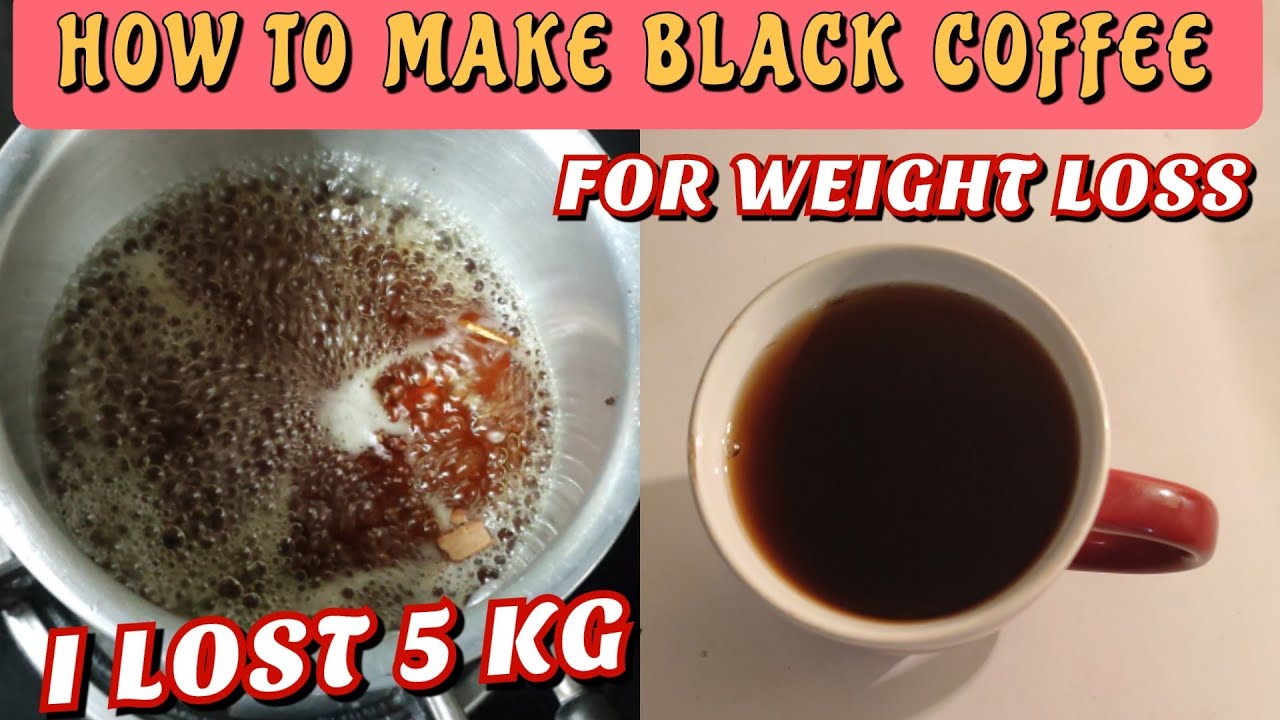
Understanding Caffeine: What It Is and How It Works
Before exploring how caffeine aids fat loss, it’s essential to understand what caffeine is and how it operates within the human body. Caffeine is a natural stimulant found in various plants, including coffee beans, tea leaves, and cacao pods. Its primary effect is to enhance alertness and alleviate fatigue. Caffeine works by blocking the action of adenosine, a neurotransmitter that promotes sleep and relaxation. When adenosine is inhibited, the levels of other neurotransmitters, like dopamine and norepinephrine, increase, leading to heightened performance, energy, and mood improvements.
Caffeine Absorption and Effects on the Body
Upon ingestion, caffeine is rapidly absorbed into the bloodstream, reaching peak levels after about 30-90 minutes, depending on the individual’s metabolism. Once in the system, it influences several physiological processes, including heart rate and blood pressure, while increasing the release of fatty acids from adipose tissue—a process known as lipolysis. This is particularly relevant for those interested in fat loss, as it indicates that caffeine can potentially enhance fat burning during exercise or even at rest.
The Science of Caffeine and Fat Oxidation
Many studies have demonstrated that caffeine can promote fat oxidation effectively. When you consume caffeine before engaging in physical activity, it not only boosts your energy but also enhances your body’s ability to burn fat as fuel instead of carbohydrates. This topic is particularly crucial for those looking to maximize their workout efficiency and overall fat loss.
How Caffeine Enhances Exercise Performance
Research shows that caffeine can improve exercise performance by increasing endurance and reducing perceived effort during workouts. This means that when you consume caffeine, you may feel less fatigued and be able to work out longer or harder. This extended physical activity not only contributes directly to caloric burn but also stimulates further fat oxidation, making caffeine a popular ergogenic aid among athletes and fitness enthusiasts alike.
Optimal Caffeine Intake for Fat Loss in 2026
With so many factors influencing how individuals metabolize caffeine, determining the optimal amount for fat loss can be complex. However, recent studies indicate that a moderate daily intake of caffeine can be beneficial for most adults. The general recommendation is approximately 3-6 mg of caffeine per kilogram of body weight, translating roughly to 200-400 mg of caffeine per day for most people.

Timing and Sources of Caffeine
Another essential consideration is when and how to consume caffeine. Timing your caffeine intake about 30-60 minutes before a workout can maximize its effect on fat burning and energy levels. As for sources, coffee is the most popular and studied form, but other options include green tea, energy drinks, and caffeine supplements. Each source has unique compounds and additional benefits; for example, green tea contains catechins that may further enhance fat oxidation.
Potential Side Effects and Considerations
While caffeine can be beneficial for fat loss, it’s essential to be mindful of its potential side effects. Overconsumption can lead to issues such as anxiety, increased heart rate, digestive problems, and dependency. It’s also crucial to consider individual tolerance levels, as some people may experience adverse effects even at moderate doses.
Managing Caffeine Intake Wisely
To optimize the benefits of caffeine while minimizing negative effects, consider monitoring your intake and adjusting it based on how your body reacts. If you notice symptoms of excess caffeine, such as insomnia or jitters, it might be time to reduce your consumption or switch to lower-caffeine alternatives like green tea. Always consult with a healthcare professional if you have pre-existing conditions or are sensitive to stimulants.
FAQs About Caffeine and Fat Loss
As we summarize our findings about caffeine and its impact on fat loss, let’s answer some common questions:
Can caffeine help me lose weight?
Caffeine can indeed assist in weight loss by boosting metabolism, enhancing fat oxidation, and increasing energy expenditure during exercise. However, it should be used as a supplement to a controlled diet and exercise routine, rather than as a miracle solution.
What is the best caffeine source for fat loss?
While coffee is a widely recognized source, green tea offers additional benefits due to its antioxidant properties and fewer side effects. An ideal approach combines various sources while monitoring overall caffeine intake.
How much caffeine should I consume for fat loss?
Moderation is key. A daily intake of 200-400 mg of caffeine (about 2-4 cups of coffee) is generally effective and safe for most individuals looking to enhance fat loss.
Are there any side effects to be aware of?
Possible side effects include restlessness, increased heart rate, and accommodation to its effects over time leading to lesser benefits. It’s crucial to assess individual tolerance to caffeine through careful monitoring.
Is it necessary to consume caffeine for fat loss?
No, caffeine is not necessary for weight loss. While it offers advantages, focusing on a balanced diet and regular exercise is the most critical factor in achieving lasting fat loss results.
In conclusion, caffeine does have beneficial properties that can enhance fat loss efforts when used wisely. As we transition into 2026, leveraging this knowledge on caffeine can empower you to make informed choices for your health and fitness goals.