Caffeine Weight Loss: 2026 Science Guide
Caffeine Weight Loss: 2026 Science Guide
As we move into 2026, the quest for effective and science-backed weight loss methods continues to catch the attention of health enthusiasts and casual dieters alike. Among the many dietary options available, caffeine has emerged as a particularly intriguing substance in the weight loss arena. Known for its energizing effects, caffeine is not just a morning pick-me-up but is also believed to have notable impacts on metabolism and fat burning. This detailed guide sheds light on the relationship between caffeine and weight loss, utilizing the latest scientific research and findings to clarify its potential benefits and drawbacks.
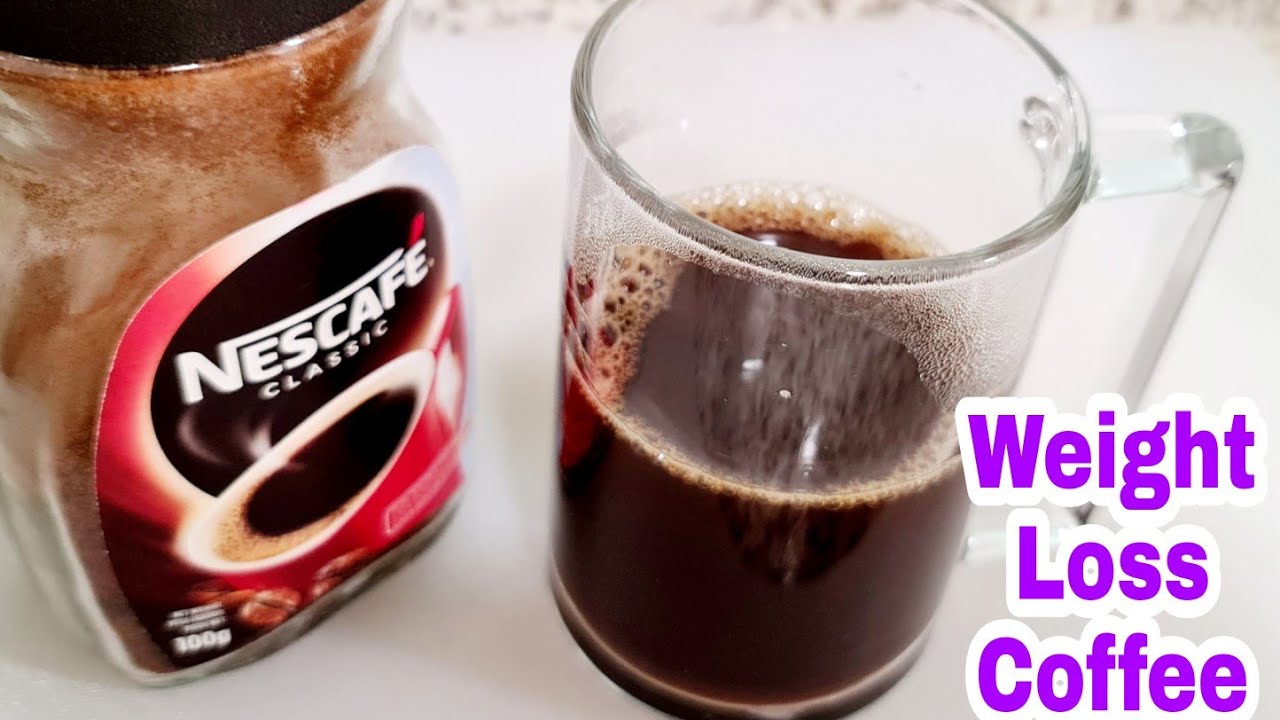
In this comprehensive exploration, we will delve deep into how caffeine influences weight management, the mechanisms behind its fat-burning capabilities, and the healthiest ways to incorporate caffeine into your diet for optimal results. We will also examine various sources of caffeine, potential side effects, and common misconceptions, providing readers with a rounded understanding of how to effectively use caffeine within a weight loss strategy. Whether you’re looking to simply boost your energy during workouts or actively seeking ways to lose weight, understanding the science of caffeine is essential.
The Science Behind Caffeine and Weight Loss
How Caffeine Impacts Metabolism
Caffeine is a stimulant that primarily affects the central nervous system, resulting in increased alertness and wakefulness. But its influence extends far beyond just keeping you awake. Numerous studies have shown that caffeine can boost metabolism, leading to increased energy expenditure, even at rest. According to recent research, caffeine can increase metabolic rate by 3 to 11%, depending on the individual and the amount consumed. This heightened metabolic rate leads to more calories being burned throughout the day, contributing to weight loss over time.
Caffeine and Fat Oxidation
Another mechanism by which caffeine assists in weight loss is through fat oxidation. It has been shown that caffeine can enhance fat burning, particularly during exercise. When consumed prior to physical activity, caffeine mobilizes fatty acids from fat tissues, making them readily available for use as energy. This process not only improves workout performance but also helps in reducing overall body fat. Furthermore, a study highlighted that individuals who consumed caffeine before aerobic exercise experienced a significantly higher rate of fat oxidation compared to those who did not consume caffeine.
The Role of Caffeine in Appetite Suppression
In addition to boosting metabolism and fat oxidation, caffeine may also play a role in appetite suppression. Research indicates that caffeine can affect hormones responsible for appetite regulation. By impacting these hormonal levels, caffeine may help reduce feelings of hunger, assisting dieters in adhering to their caloric restrictions. However, more research is necessary to fully understand the long-term effects of caffeine on appetite and its effectiveness as a weight loss tool.
Best Sources of Caffeine for Weight Loss
Caffeinated Beverages
One of the most popular sources of caffeine is caffeinated beverages, including coffee and tea. Coffee, in particular, has been extensively studied and is often regarded as a weight loss ally. Studies suggest that black coffee, when consumed in moderation, can significantly enhance metabolic rates and assist in burning fat. Similarly, green tea, known for its numerous health benefits, contains both caffeine and catechins, which are compounds that further aid in weight loss.
Caffeine Supplements
For those who may not enjoy coffee or tea, caffeine supplements are an alternative option. These supplements are available in various forms, including pills or powders, and provide a concentrated dose of caffeine. While they can offer benefits, it is crucial to exercise caution with dosages and to ideally consult with a healthcare professional before incorporating them into your diet, particularly for individuals with health conditions.
Energy Drinks and Their Risks
Energy drinks have gained popularity for their high caffeine content, providing a quick energy boost. However, many of these drinks are laden with sugar and other stimulants, which can counteract any weight loss attempts. It’s advisable for individuals to read labels carefully and be aware of added ingredients that could hinder weight management efforts. The key is moderation and making informed choices regarding caffeine intake.
Potential Side Effects of Caffeine on Weight Loss
Caffeine Tolerance and Dependence
While caffeine can aid in weight loss, there are potential side effects to consider. One prevalent issue is caffeine tolerance, wherein regular consumers may find that they require more caffeine to achieve the same effects, potentially leading to increased consumption. This tolerance can undermine weight loss efforts as it may encourage users to consume excessive amounts of caffeine, which can have adverse health effects.

Anxiety, Insomnia, and Irritability
Excessive caffeine consumption can also lead to negative side effects such as anxiety, restlessness, insomnia, and general irritability. Weighing these risks against the benefits is essential; ensuring that caffeine intake remains within reasonable limits allows for better health and more sustainable weight loss results. Finding a balance is key to leveraging caffeine’s advantages without falling into detrimental habits.
Cardiovascular Considerations
Lastly, it’s important to consider any cardiovascular implications of caffeine consumption, particularly for those with existing heart conditions. Studies have shown that, for some individuals, high levels of caffeine can lead to increased heart rate and blood pressure. It’s vital to consult with a healthcare provider to ensure that caffeine is a safe addition to your weight loss regimen.
Incorporating Caffeine Safely Into Your Diet for Weight Loss
Optimal Dosage for Weight Loss
The optimal dosage of caffeine for weight loss varies between individuals and can depend on factors such as body weight, tolerance, and personal health. For most individuals, a moderate intake of about 300 to 400 mg of caffeine per day—equivalent to about 3 to 4 cups of brewed coffee—is generally considered safe and effective for weight management. Paying attention to your body’s responses is critical to finding the right balance.
Timing Your Caffeine Intake
Timing also plays a crucial role in maximizing caffeine’s efficacy for weight loss. Consuming caffeine approximately 30-60 minutes before exercise is typically recommended to enhance fat oxidation and improve workout performance. Additionally, limiting caffeine intake in the evening can help mitigate insomnia and ensure restful sleep—another important factor for effective weight management.
Complementing Caffeine with a Balanced Diet and Exercise
Lastly, caffeine should not be viewed as a standalone solution for weight loss. To achieve and maintain a healthy weight, it must be complemented with a balanced diet and regular physical activity. Engaging in combination strategies—such as maintaining a nutrient-rich diet, practicing portion control, and including exercise in daily routines—will yield the best outcomes in conjunction with caffeine consumption.
Summary and FAQs about Caffeine Weight Loss
In summary, caffeine has emerged as a popular and effective tool for weight loss, primarily through its metabolism-boosting effects, appetite suppression, and enhanced fat oxidation during exercise. However, it is essential to approach caffeine consumption with awareness of its potential side effects, tolerance development, and overall lifestyle choices.
FAQs:
1. How does caffeine help with weight loss? Caffeine boosts metabolism, enhances fat burning, and can suppress appetite, promoting effective weight management.
2. What are the best sources of caffeine for weight loss? Coffee and green tea are popular sources, while caffeine supplements can also be effective. However, be cautious with sugar-laden energy drinks.
3. Are there any side effects of caffeine on weight loss? Some people may experience anxiety, insomnia, or potential heart-related issues with high caffeine intake. Moderation is key.
4. How much caffeine should I consume for weight loss? A moderate intake of 300 to 400 mg per day is generally recommended, but individual needs may vary.
5. Can I use caffeine alone for weight loss? Caffeine should be part of a balanced diet and exercise routine, not a sole strategy for weight loss.
By understanding the science of caffeine and its appropriate use, individuals can harness its potential benefits while minimizing risks, setting the foundation for effective weight loss strategies.