Drinking Coffee Help Lose Weight – 6 Research-Backed Methods
Drinking Coffee Helps Lose Weight – 6 Research-Backed Methods
Coffee is one of the most popular beverages worldwide, renowned for its invigorating effects and rich flavor. However, its benefits extend beyond increasing alertness and productivity; research suggests that drinking coffee may also assist in weight loss. With the growing interest in natural and efficient methods for shedding pounds, many individuals begin to explore how coffee could be integrated into their weight-loss journeys. The key lies not only in caffeine but also in specific compounds found within coffee that support metabolism, fat burning, and appetite regulation. In this comprehensive guide, we will delve into six research-backed methods that show how drinking coffee can help you shed those extra pounds. By understanding these methods and their underlying science, you will be better equipped to harness the potential of coffee as a weight-loss tool. Our exploration will be rooted in credible studies, ensuring that you have reliable information to empower your weight-loss strategy. So, whether you’re a coffee addict or a casual drinker, read on to discover how your cup of joe could potentially help you in achieving your fitness goals.

1. Enhances Metabolism
The Role of Caffeine in Metabolic Rate
Caffeine, a stimulant found in coffee, has been shown to increase metabolic rate, which is crucial for weight loss. According to a study published in the American Journal of Clinical Nutrition, caffeine consumption can increase resting metabolic rate by approximately 3-11%, depending on the individual’s genetics and habitual caffeine intake. This means that by simply consuming coffee, you are potentially enhancing your body’s ability to burn calories at rest. It’s important to note that these effects can diminish with regular intake as your body becomes accustomed to caffeine. However, incorporating coffee strategically in your diet can provide a temporary boost to your metabolic rate, helping you to burn more calories throughout the day.
Long-Term Effects of Caffeine on Metabolism
Research indicates that over time, regular coffee drinkers may experience a more pronounced difference in metabolic responses due to various adaptations. For example, studies have shown that frequent caffeine intake can influence adipose tissue (fat tissue) metabolism by promoting lipolysis, the breakdown of fats. This process releases fatty acids into the bloodstream, which can subsequently be used by the body for energy. Thus, maintaining a habit of moderate coffee consumption may not only enhance your metabolic rate but also facilitate more effective fat utilization.
2. Suppresses Appetite
Coffee’s Role in Cortisol Levels
An interesting aspect of coffee consumption involves its potential to suppress appetite. This effect can be partially attributed to caffeine’s impact on hormone regulation, particularly cortisol. When consumed, coffee can stimulate the adrenal glands to release cortisol, a hormone that, in moderate amounts, can help regulate appetite. In this context, the temporary appetite suppression may assist those looking to control their caloric intake. Drifting between hunger and satiety is often a hurdle for weight-watchers, and coffee can provide that crucial edge in curbing cravings.
Psychological Effects of Coffee on Eating Behavior
Beyond hormonal influences, the ritual and psychological aspects of drinking coffee play significant roles in appetite control. Many individuals find comfort in a warm cup of coffee, which could reduce the desire to snack between meals. By incorporating coffee into a daily routine, you may inadvertently create a positive habit that contributes to reduced emotional eating, a common pitfall in weight loss efforts.
3. Increases Fat Oxidation
The Biochemical Mechanism Behind Fat Burning
One of the critical factors involved in weight loss is the body’s ability to oxidize fat. Research shows that caffeine can increase the rate of fat oxidation, especially during physical activity. A study conducted by the Journal of Sports Medicine indicated that athletes who consumed caffeine experienced a significant increase in their fat oxidation rates, leading to improved performance and a potential enhancement in weight-loss results. This mechanism allows your body to utilize fat as a more significant energy source, especially during endurance activities.
Combining Coffee with Exercise
Considering this information, it’s clear that a well-timed cup of coffee before exercise could yield enhanced fat-burning results. For instance, enjoying a cup of coffee half an hour before a workout may help individuals maximize their fat oxidation during physical activity. This practice offers a dual benefit: supplying energy for improved performance while aiding in weight management through enhanced fat utilization.
4. Boosts Workout Performance
The Mood and Energy Enhancing Effects of Coffee
Many fitness enthusiasts already recognize that coffee serves as an effective pre-workout beverage. Caffeine enhances physical performance by increasing adrenaline levels in the blood, which prepares you for intense physical exertion. Studies have shown that coffee can significantly improve athletic performance, leading to longer and more productive workouts. By feeling more energized and focused due to coffee, individuals are often able to push themselves harder, inadvertently aiding their weight-loss goals.
Finding the Perfect Timing for Coffee Consumption
To maximize the benefits, it’s important to consider when to drink your coffee in relation to your workout. Consuming coffee approximately 30-60 minutes before exercising typically yields optimal results, as this timing aligns with peak caffeine absorption. However, be cautious of consumption rates, as excessive caffeine can lead to jitteriness, which may hinder performance rather than enhance it. Finding the balance that suits your body’s needs can be a game-changer in achieving your fitness and weight-loss targets.
5. Provides Essential Antioxidants
The Health Benefits of Antioxidants in Coffee
Coffee is not only a source of caffeine; it also contains numerous antioxidants, which are beneficial for overall health. Antioxidants help combat oxidative stress, inflammation, and chronic diseases, which are associated with obesity and metabolic disorders. The presence of these compounds is believed to enhance your body’s ability to function efficiently, aiding in weight regulation.
Moreover, the antioxidants in coffee may improve insulin sensitivity, further supporting metabolic processes related to weight loss. A study in the European Journal of Nutrition found a correlation between coffee consumption and improved glucose metabolism, indicating that those who enjoy regular coffee may have enhanced fat storage regulation.
Choosing the Right Coffee for Maximum Benefits
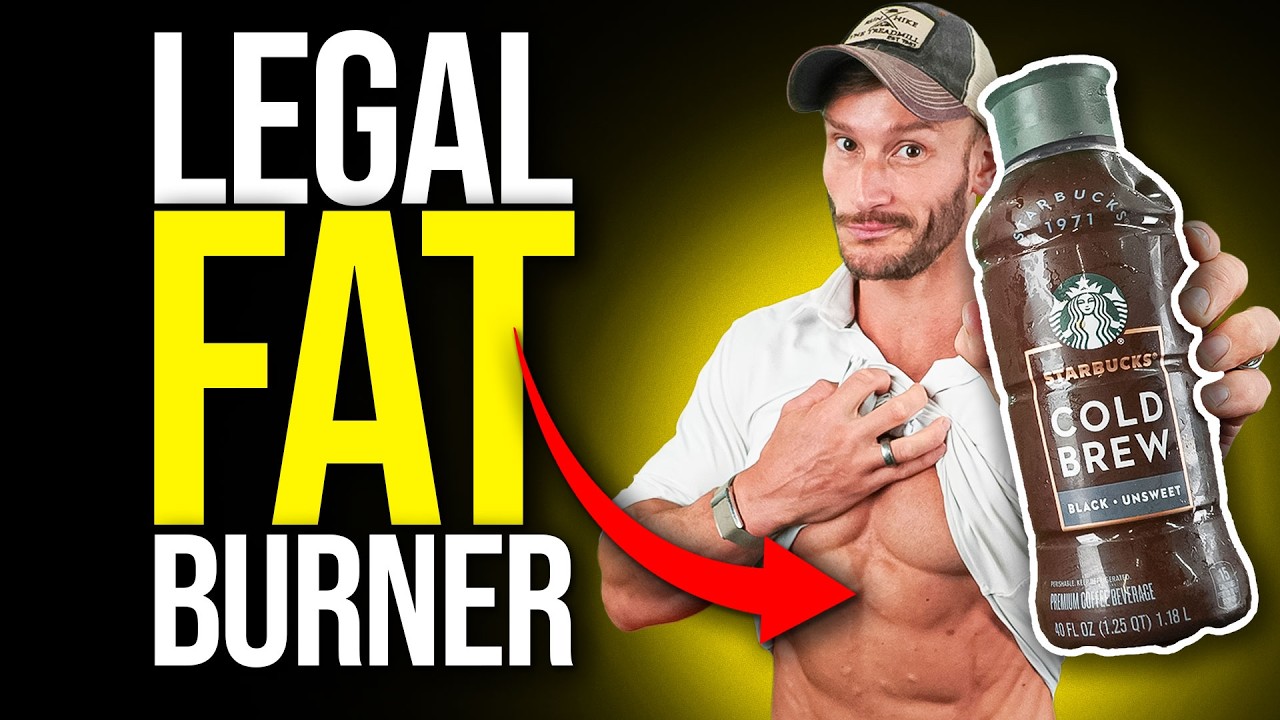
To harness the full potential of these beneficial antioxidants, consider opting for high-quality coffee, like freshly brewed black coffee or cold brew, that minimizes added sugars or unhealthy fats. More expensive coffee blends rich in antioxidants, such as Arabica beans, may provide enhanced health benefits compared to cheaper, lower-quality options. Thus, being selective about the type of coffee can substantiatedly improve the overall health benefits that support your weight-loss journey.
Summary and FAQs
In summary, drinking coffee can potentially aid weight loss through various mechanisms, including enhanced metabolism, appetite suppression, increased fat oxidation, boosted workout performance, and the provision of essential antioxidants. By leveraging these benefits, individuals can incorporate coffee effectively within a balanced diet and exercise program to promote weight loss.
FAQs:
1. Can drinking coffee help me lose weight? Yes, coffee can aid in weight loss through various mechanisms, including enhancing metabolism, fat burning, and suppressing appetite.
2. How much coffee should I drink for weight loss? Moderate consumption, typically around 3-4 cups (about 400 mg of caffeine), is generally considered safe for most individuals and may offer weight loss benefits.
3. Is black coffee better for weight loss? Black coffee is typically the best option as it has no added calories. Avoiding high-sugar and high-fat creamers optimally supports weight loss goals.
4. Should I drink coffee before or after my workout? Drinking coffee about 30-60 minutes before a workout may enhance performance and fat oxidation during exercise.
5. Are there any downsides to drinking coffee for weight loss? While coffee has numerous benefits, excessive consumption can lead to negative side effects, such as jitteriness, anxiety, or disrupted sleep, so moderation is key.