Coffee Hunger Suppressant – 6 Ways It Reduces Appetite and Supports Fat Loss
Coffee Hunger Suppressant – 6 Ways It Reduces Appetite and Supports Fat Loss
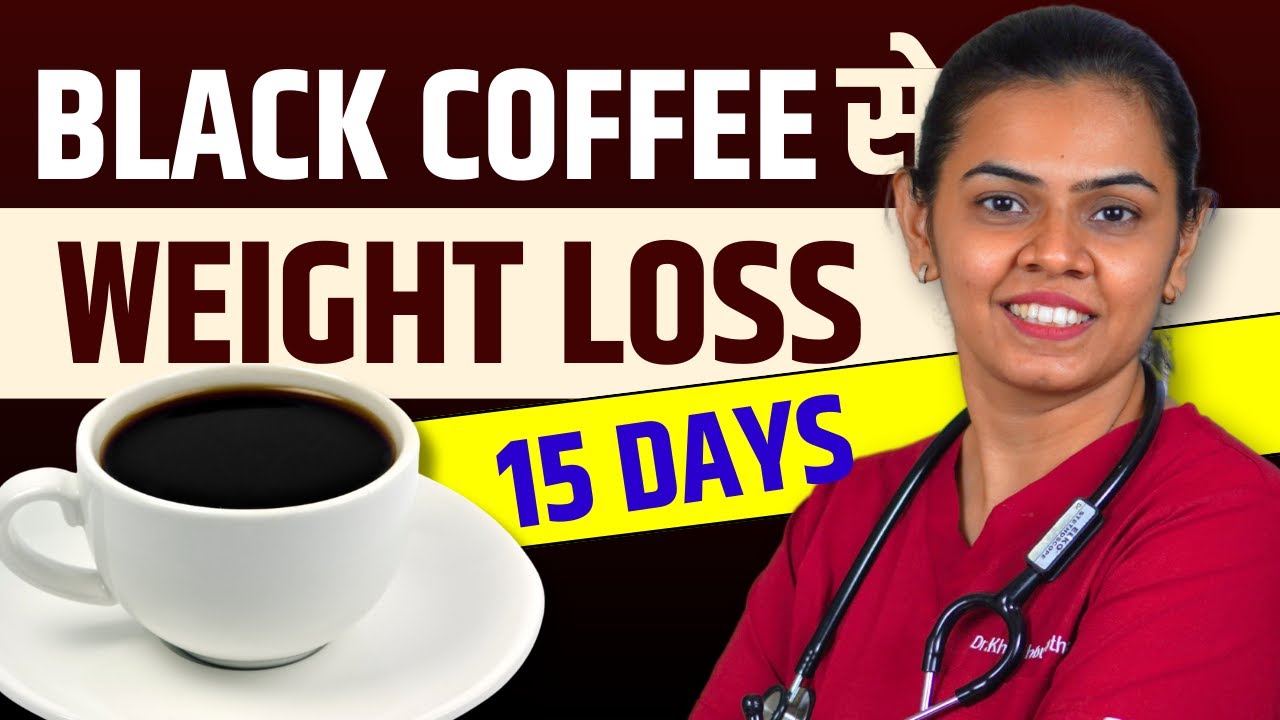
Coffee has long been celebrated for its rich flavor, invigorating aroma, and stimulating properties, but fewer people recognize its role as a hunger suppressant. In recent years, many health enthusiasts and weight loss advocates have turned to coffee not only for its energy-boosting capabilities but also for its appetite-suppressing effects. This article delves into the science behind coffee and its abilities to help reduce hunger, making it a valuable ally in your weight loss journey. Understanding how coffee works to suppress appetite can empower you to make informed dietary choices. So, if you are looking for a natural way to control cravings and support fat loss, keep reading. Here, we will explore six compelling ways in which coffee functions as a hunger suppressant while aiding in fat loss.

1. Caffeine: The Key Appetite Suppressant
Understanding Caffeine’s Role in Hunger Control
Caffeine is the primary active ingredient in coffee that contributes to its hunger-suppressing effects. It interacts with the central nervous system and may help decrease the sensation of hunger. Studies have shown that caffeine can increase the production of hormones such as epinephrine, which can signal to your body to burn fat as fuel rather than storing it. Additionally, caffeine can lead to increased thermogenesis—the process of heat production in organisms—thus further promoting fat loss.
Furthermore, caffeine may alter levels of ghrelin, the hormone responsible for stimulating appetite. When ghrelin levels decrease, feelings of hunger may be suppressed, making it easier to stick to a calorie-controlled diet. Coffee consumption before meals may help reduce the amount you eat and lead to better weight management over time. However, it’s essential to consume coffee in moderation, as excessive caffeine intake can lead to jitteriness and increased heart rate.
2. Enhanced Metabolism with Coffee
The Connection Between Coffee and Metabolic Rate
One of the most compelling benefits of coffee is its ability to enhance metabolic rate. The caffeine in coffee can lead to short-term increases in metabolism, meaning your body burns more calories even at rest. This thermogenic effect is vital for anyone looking to lose weight or manage their body composition. By boosting your metabolism, coffee can help you create a calorie deficit without dramatically altering your lifestyle.
Research suggests that regular coffee consumption can result in a metabolic boost of 3 to 11%, depending on individual factors. These effects might not last indefinitely, but combined with a sound exercise routine, they can enhance your weight loss efforts significantly. Along with metabolism-boosting benefits, coffee is also packed with antioxidants that can aid your overall health and well-being, further promoting a healthy weight.
3. Increased Energy Levels for Better Physical Activity
Using Coffee to Fuel Your Workouts
For those striving to lose fat, combining a balanced diet with regular physical activity is crucial. Coffee serves as a reliable source of energy before and during workouts. The increased energy levels from caffeine enable individuals to exercise more effectively, possibly burning more calories during workouts. By enhancing athletic performance, a cup of coffee can push you through intense workouts, leading to higher calorie expenditure.
Additionally, caffeine may improve focus and endurance, allowing for longer and more productive workout sessions. As your body grows accustomed to regular physical activity, you may find that your appetite is naturally regulated, thanks in part to your coffee consumption. Pairing coffee with a structured exercise program can lead to significant improvements in fat loss and fitness levels.
4. Coffee’s Role in Reducing Cravings
How Coffee Can Help Curb Snacking
One of the challenges individuals face in weight loss is managing cravings and unhealthy snacking habits. Coffee acts as a natural appetite suppressant that decreases the desire to snack between meals. When consumed in moderation, a warm cup of coffee can create a sense of fullness, which reduces the likelihood of reaching for unhealthy snacks.
Moreover, the ritual of drinking coffee can serve as a satisfying experience that replaces the desire for additional food intake. You may find yourself enjoying coffee breaks instead of indulging in mindless snacking. Additionally, coffee contains minimal calories when consumed black, making it an excellent beverage choice to maintain your caloric deficit while feeling satisfied.
5. The Psychological Benefits of Coffee Consumption
The Link Between Coffee and Mood
Aside from its physical appetite-suppressing effects, coffee can also influence psychological factors that contribute to hunger. Caffeine intake has been linked to mood enhancement and increased alertness, which can improve overall mental states. When individuals feel good, they may be less likely to engage in emotional eating—a common pet peeve for those trying to manage their weight.
By boosting mood and reducing stress levels, coffee can help eliminate the urge to comfort food. A positive mindset can also encourage healthier choices, making it more likely that you’ll choose nutritious foods over calorie-dense options. While coffee should not replace healthy coping mechanisms for stress, it may serve as an effective temporary aid in maintaining a balanced approach to diet and cravings.
Conclusion and Frequently Asked Questions (FAQ)
Summary of Coffee’s Benefits as a Hunger Suppressant
In summary, coffee has emerged as a multifaceted tool in the realm of weight loss and appetite suppression. Its primary ingredient, caffeine, plays a vital role in reducing hunger, enhancing metabolism, increasing energy levels, curbing cravings, and even fostering better mood management. Incorporating coffee into a balanced lifestyle—combined with proper nutrition and exercise—can support individuals on their fat loss journey.
Common User Questions
1. Does coffee truly help with weight loss?
Yes, coffee can be an effective tool for weight loss due to its appetite-suppressant properties, metabolism-boosting effects, and increased energy levels.
2. How much coffee should I drink to experience these benefits?
Moderation is key. Around 3 to 4 cups of coffee per day can provide appetite suppression benefits while avoiding negative side effects.
3. Can I use coffee as a meal replacement?
No, while coffee can suppress appetite, it should not replace balanced meals. It works best as a complementary beverage during a healthy diet.
4. Are there any side effects to drinking coffee?
Possible side effects include jitteriness, insomnia, or increased heart rate, especially with excessive consumption. It’s important to listen to your body and adjust intake as necessary.
5. Can decaffeinated coffee offer similar hunger-suppressing effects?
While decaffeinated coffee may not have the same appetite-suppressant effects due to lower caffeine content, it can still provide satisfaction and a warm beverage option without added calories.