Coffee for Dieting Is Good – 8 Scientific Findings That Improve Fat Metabolism
Coffee for Dieting Is Good – 8 Scientific Findings That Improve Fat Metabolism
Coffee has long been touted as a magical beverage that not only kick-starts our mornings but could also contribute positively to dieting efforts and fat metabolism. Millions of people worldwide start their day with a steaming cup of coffee, but many are unaware of the scientific evidence that supports coffee as an effective aid in weight management and fat reduction. Recognizing this potential, researchers have delved into the metabolic benefits of coffee, revealing that its compounds may help regulate body weight and enhance fat oxidation.

In this article, we will explore eight compelling scientific findings that illustrate how coffee can be a powerful ally in your dieting journey. From its ability to enhance metabolic rates to its role in fat burning, these findings not only align with the intentions of those looking to lose weight but also resonate with health-conscious consumers eager to understand the intricate relationship between coffee and body composition. So, if you’ve ever wondered whether that daily cup of joe could support your dieting goals, keep reading as we unpack the evidence supporting coffee’s role in improving fat metabolism.
1. Coffee Increases Metabolic Rate
Understanding Metabolic Rate and Coffee
Coffee consumption is closely linked to an increase in metabolic rate, which is crucial for effective weight management. Various studies have demonstrated that the caffeine in coffee acts as a stimulant, raising the metabolic rate by promoting the metabolism of fats and carbohydrates. A study published in the “American Journal of Clinical Nutrition” found that caffeine can increase energy expenditure for a period following consumption, enabling the body to burn more calories, even at rest.
Furthermore, this metabolic enhancement can be particularly beneficial for those looking to lose weight. Enhancing metabolism means that individuals may burn more calories throughout the day, even without increasing physical activity levels. As a result, incorporating coffee into your diet may provide an effective strategy to support weight loss efforts and improve body composition.
2. Coffee Promotes Fat Oxidation
The Mechanism Behind Fat Oxidation
One of the standout benefits of coffee consumption is its ability to promote fat oxidation, which is the process of breaking down fatty acids to be used for energy. Caffeine has been shown to increase the release of fatty acids from adipose tissue, leading to enhanced fat utilization during physical activity. This effect becomes even more pronounced during intense exercise.
A study from the “Journal of Sports Medicine” revealed that coffee consumption resulted in higher fat oxidation compared to a placebo. This means that not only does coffee play a role in boosting energy levels, but it also enhances the body’s ability to utilize stored fat as a source of energy. Therefore, individuals looking to optimize their workouts and promote fat loss may find coffee to be an excellent companion.
3. Coffee Reduces Appetite
The Appetite-Suppressing Effects of Caffeine
A key factor in weight loss is managing calorie intake, and this is where coffee may assist by reducing appetite. Several studies have suggested that caffeine can help decrease feelings of hunger, motivating individuals to consume fewer calories. Research published in the “International Journal of Obesity” observed that participants who consumed coffee experienced a significant reduction in food intake compared to those who did not.
While the appetite-suppressing effects of coffee may vary among individuals, its capacity to impact hunger signals can support more effective dieting strategies. However, it is essential to balance coffee intake with healthy eating habits rather than relying solely on caffeine for appetite control.
4. Coffee Improves Exercise Performance
Caffeine as an Exercise Enhancer
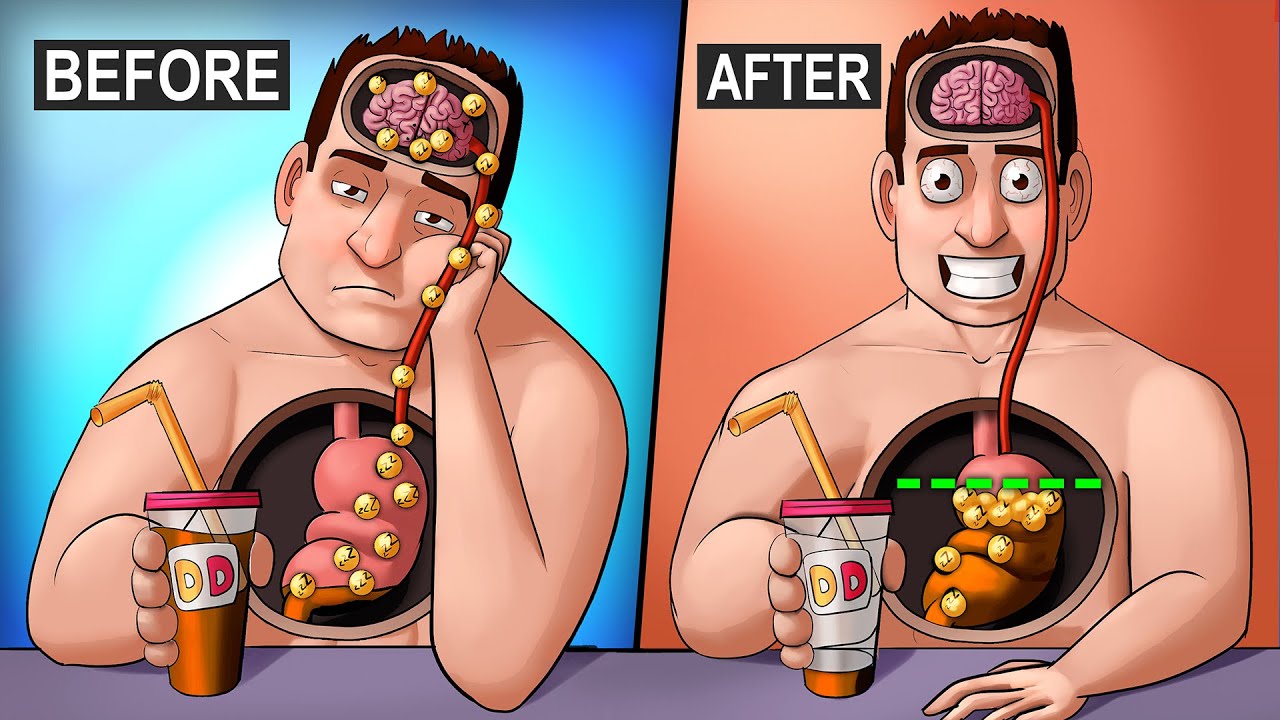
Coffee is known to enhance exercise performance, which is vital for maintaining an active lifestyle and supporting weight loss goals. Caffeine has been widely adopted as an ergogenic aid, meaning it helps improve physical performance during endurance activities and high-intensity workouts. Numerous studies have shown that caffeine intake before exercise can lead to increased stamina, reduced perceived effort, and heightened alertness.
The “Journal of Applied Physiology” published research indicating that caffeine not only helps individuals perform better during workouts but also enables them to burn more fat during and after exercise. By incorporating coffee into a pre-workout routine, individuals may find it easier to stay active, ultimately contributing to successful weight loss and fat metabolism.
5. Coffee Contains Powerful Antioxidants
The Role of Antioxidants in Weight Loss
Beyond caffeine, coffee is rich in bioactive compounds and antioxidants, which can have positive effects on overall health and metabolism. Antioxidants play a crucial role in reducing oxidative stress and inflammation within the body, which are often linked to obesity and metabolic disorders. Research has shown that antioxidants may help improve insulin sensitivity, allowing for better blood sugar regulation and fat storage management.
A study published in the “European Journal of Nutrition” emphasized that individuals who consume coffee regularly tend to have lower body fat percentages and better metabolic profiles compared to non-drinkers. The antioxidants found in coffee, including chlorogenic acids, may help modulate metabolic pathways and support healthy fat metabolism, making coffee not just a refreshing beverage but a potential dietary aid as well.
Summary and FAQs
In summary, coffee can play a beneficial role in dieting and fat metabolism through various mechanisms, including increasing metabolic rate, promoting fat oxidation, reducing appetite, improving exercise performance, and providing antioxidants. Each of these elements contributes to an overall healthier lifestyle, particularly for those seeking weight loss or maintenance.
FAQs
1. Can I drink coffee while dieting?
Yes, coffee can aid your dieting efforts by boosting metabolism and reducing appetite. Just be mindful of added sugars and high-calorie creamers.
2. How much coffee should I drink to lose weight?
Moderation is key. Consuming 1-2 cups of black coffee per day can offer benefits without excessive caffeine intake.
3. Are there any side effects of drinking coffee?
While coffee is generally safe, excessive consumption can lead to anxiety, insomnia, and digestive issues. It’s essential to listen to your body.
4. Does decaf coffee also help with weight loss?
Yes, while decaf has less caffeine, it still contains beneficial antioxidants that can support metabolism, making it a suitable option for those sensitive to caffeine.
5. Should I drink coffee before or after a workout?
Drinking coffee before a workout can enhance performance, while having it post-workout may aid recovery. Experiment to see what works best for you.