Caffeine Effects on Weight Loss – 6 Clinical Insights That Show Faster Fat Burning
Caffeine Effects on Weight Loss – 6 Clinical Insights That Show Faster Fat Burning
Caffeine is one of the most widely consumed psychoactive substances in the world, found in coffee, tea, energy drinks, and a multitude of dietary supplements. Its role in weight loss has piqued the interest of both researchers and fitness enthusiasts alike. Many people experience an increase in energy, alertness, and even metabolic rate after consuming caffeine, which raises the important question—does caffeine help in losing weight? This article aims to explore caffeine effects on weight loss through six clinical insights, delving into how this popular stimulant can potentially enhance fat burning and support weight management efforts. Whether you’re a casual coffee drinker or someone keen on maximizing your weight loss journey, understanding these effects can empower you to make more informed dietary choices.
1. Caffeine Boosts Metabolism
Understanding Thermogenesis
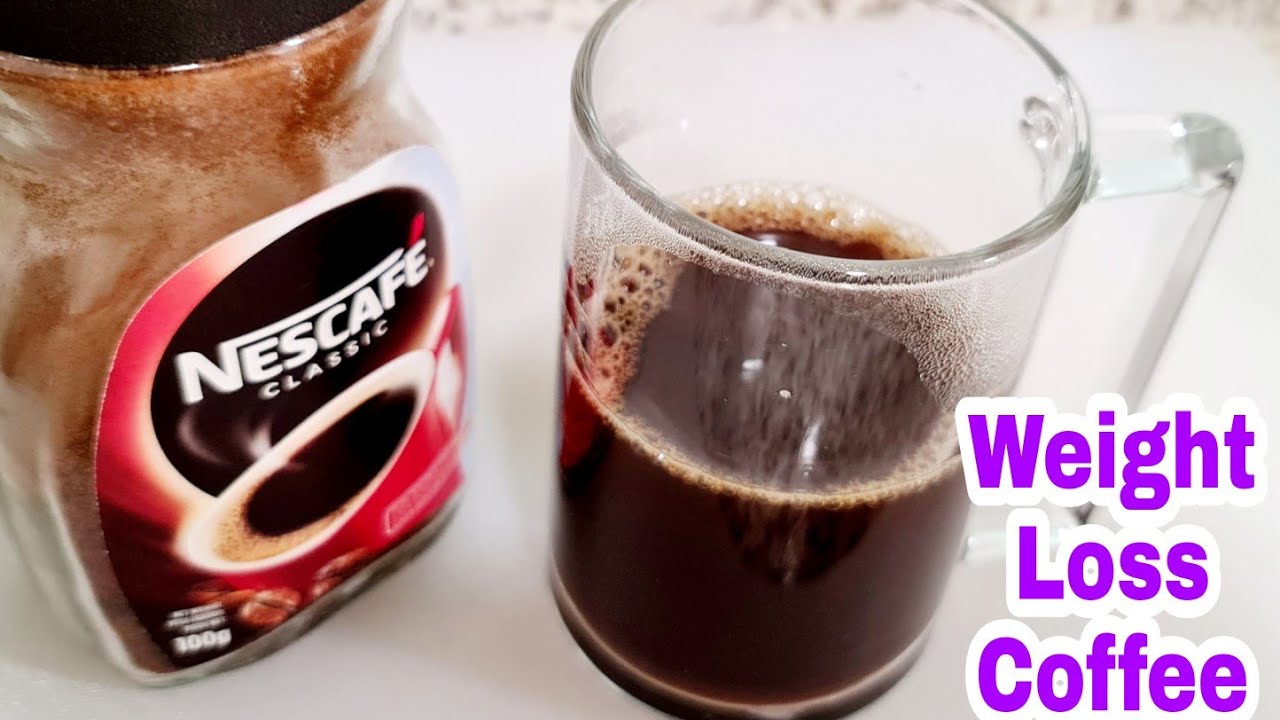
One of the primary mechanisms through which caffeine can aid in weight loss is its ability to boost metabolism. Metabolism refers to the process by which our body converts food into energy, and thermogenesis specifically describes how our body generates heat and energy from digesting food. Studies have shown that caffeine consumption can increase the metabolic rate by 3-11%, depending on the individual and the amount of caffeine consumed. This increase may result in more calories burned at rest, contributing to weight loss over time.
Moreover, the thermogenic effect of caffeine can lead to a higher calorie expenditure even when one is not exercising. This quality illustrates how incorporating caffeine into one’s diet could potentially complement weight loss efforts. However, it’s essential to note the variance in individual responses to caffeine intake; factors such as tolerance, genetics, and habitual consumption can significantly influence its effectiveness.
2. Caffeine Enhances Fat Oxidation
The Role of Lipolysis and Fatty Acids
Caffeine not only speeds up metabolism but also enhances fat oxidation, a crucial process in weight management. Lipolysis is the breakdown of fats, leading to the release of free fatty acids into the bloodstream. Research has indicated that caffeine stimulates lipolysis, effectively increasing fat availability for energy. This mechanism is essential for those aiming to burn fat during exercise or as part of a calorie deficit diet.
Furthermore, a study showed that individuals who consumed caffeine before a workout experienced increased fatty acid release, which suggests that caffeine can enhance the utilization of fat as a fuel source during physical activity. As a result, individuals who incorporate caffeine into their pre-exercise routine may not only experience improved performance but also a more significant fat loss effect compared to those who do not.
3. Caffeine Improves Exercise Performance
Endurance and Fatigue Reduction
Another vital aspect of caffeine’s role in weight loss is its ability to enhance exercise performance. Numerous studies have demonstrated that caffeine can improve endurance and reduce perceived exertion during physical activities, allowing individuals to exercise for more extended periods. This effect can lead to higher calorie expenditure, elevating the potential for fat loss.
For example, athletes often consume caffeine to improve their performance in endurance events. As a result, they can optimize their workouts, burn more calories, and amplify their potential weight loss. The increased exercise capacity facilitated by caffeine can also foster a more active lifestyle, essential for sustainable weight management.
4. The Appetite-Suppressing Effect of Caffeine
Temporary Hunger Reduction
Interestingly, caffeine may also exert appetite-suppressing effects. While the long-term effects of caffeine on appetite are still debated, some studies suggest that short-term caffeine consumption can lead to reduced feelings of hunger. This temporary decrease in appetite could help individuals consume fewer calories throughout the day.
It’s crucial to be cautious with this effect, as hunger may return after the caffeine’s effects wear off. This fluctuation in appetite can potentially lead to overeating later, nullifying the calorie deficit created by caffeine. Therefore, while caffeine can help manage hunger temporarily, it should be incorporated into a balanced diet for best results.
5. Individual Variability in Caffeine Response
Genetic Factors and Tolerance
The caffeine response varies significantly among individuals, influenced by genetic makeup, habitual consumption, and personal tolerance levels. Some people may find caffeine highly effective for weight loss, while others may experience minimal effects. Genetic polymorphisms related to caffeine metabolism can impact how quickly the body processes caffeine and, consequently, its effects on metabolism and fat oxidation.
Moreover, habitual caffeine consumers may develop a tolerance to its effects, potentially diminishing its ability to aid in weight loss over time. This highlights the importance of a personalized approach when considering caffeine as part of a weight loss strategy—what works for one person may not yield the same results for another. Conducting a self-assessment on dietary habits and caffeine consumption can help tailor strategies to optimize weight loss results.
Summary and FAQs
In summary, caffeine can significantly impact weight loss through several mechanisms, including boosting metabolism, enhancing fat oxidation, improving exercise performance, and suppressing appetite temporarily. However, individual responses to caffeine can vary, necessitating a personalized approach. Understanding these insights can empower you to make informed decisions about caffeine consumption and its role in your weight loss journey.
FAQs
1. Can caffeine help me lose weight?
Caffeine can assist with weight loss by boosting metabolism, enhancing fat oxidation, and improving exercise performance. However, its effectiveness will depend on individual factors.
2. How much caffeine should I consume for weight loss?
Moderate caffeine intake typically ranges from 100-400 mg per day for most adults. Consult with a healthcare professional to determine the best dose for your goals.
3. Are there any side effects of consuming caffeine?
While moderate caffeine consumption is generally safe, excessive intake can lead to side effects such as jitteriness, anxiety, and increased heart rate. Always listen to your body.
4. Should I rely solely on caffeine for weight loss?
No, caffeine should be one part of a balanced diet and regular exercise regime to achieve long-term weight loss. It’s not a magic bullet, but it can support your efforts when used wisely.
5. Can I build a tolerance to caffeine?
Yes, habitual consumption of caffeine can lead to tolerance, reducing its effectiveness for weight loss over time. Incorporate caffeine strategically into your diet for the best results.