Caffeine Burn Fat – 7 Scientific Findings Confirm Fat Reduction
Caffeine Burn Fat – 7 Scientific Findings Confirm Fat Reduction
Caffeine is one of the most popular substances globally, primarily known for its stimulating effects. It’s commonly found in coffee, tea, energy drinks, and even certain medications. But beyond keeping us awake, caffeine has gained traction in the fitness and weight loss industries for its potential fat-burning properties. In this article, we’ll explore seven scientific findings that confirm how caffeine can help to reduce fat. Whether you’re looking to shed a few pounds, enhance your workout performance, or simply curious about the health benefits of caffeine, we will provide insights backed by research in a user-friendly format. By understanding the scientifically proven effects of caffeine on fat metabolism, you can make informed decisions about incorporating this potent compound into your routine. So, let’s delve into the mechanisms that illustrate how caffeine can truly be a game-changer in fat reduction.
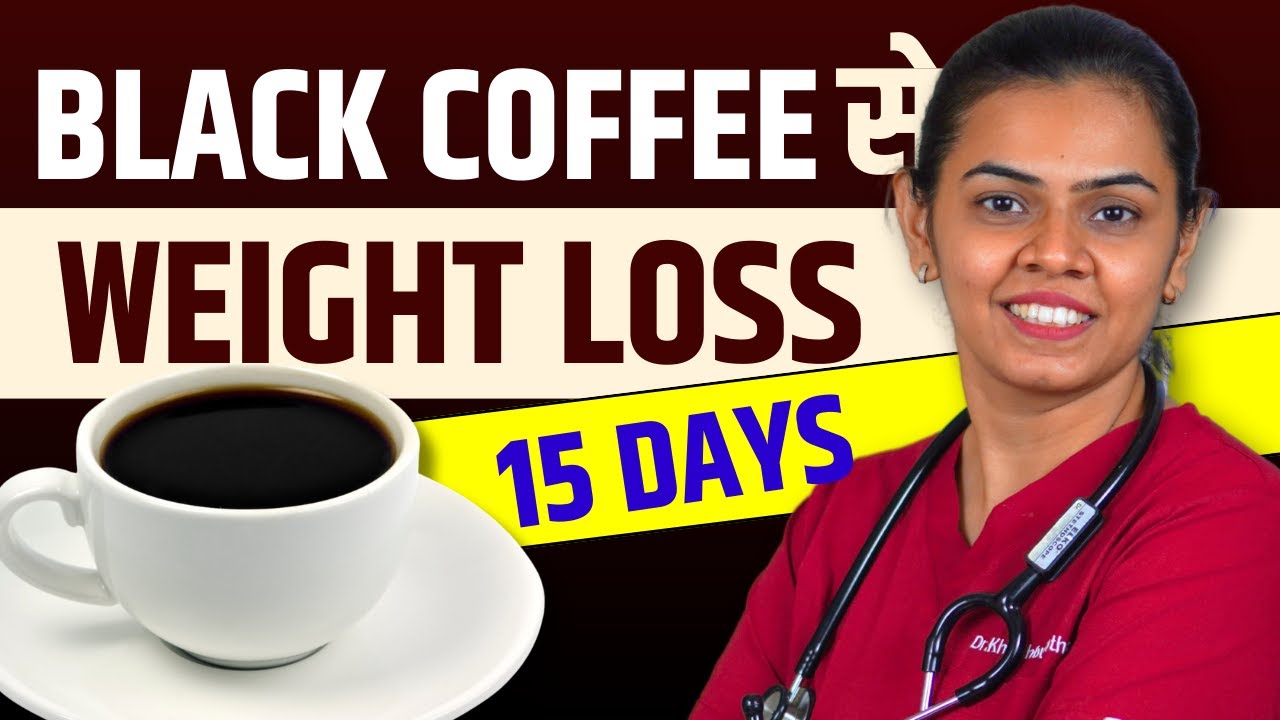
1. Caffeine Enhances Metabolism
Understanding the Thermogenic Effect
Numerous studies have highlighted that caffeine can enhance metabolic rate, promoting fat oxidation. Research published in reputable journals has demonstrated that caffeine consumption results in an increased metabolic rate ranging from 3% to 11%, facilitating the body’s ability to burn fat more effectively. This thermogenic effect is crucial, as it contributes to burning more calories even at rest. Through its activation of the central nervous system, caffeine induces the release of catecholamines, which are hormones that play a significant role in fat metabolism. This means that adding caffeine to your diet could lead to greater energy expenditure and more effective fat loss strategies.
2. Caffeine Mobilizes Fat from Fat Tissues
The Role of Lipolysis in Fat Reduction
Another significant mechanism through which caffeine facilitates fat reduction is by mobilizing fatty acids from fat tissues. This process, known as lipolysis, occurs when caffeine stimulates the production of epinephrine. This hormone then signals fat cells to break down stored fats, releasing them into the bloodstream as free fatty acids. A study conducted by the American Journal of Clinical Nutrition indicated that individuals who consumed caffeine exhibited higher levels of fat mobilization during physical activity compared to those who did not. This suggests that caffeine not only aids in fat loss during exercise but also enhances overall fat utilization. Hence, if you’re looking for an efficient fat-burning workout, combining caffeine intake with physical activity could provide enhanced results.
3. Caffeine and Increased Physical Performance
Enhancing Exercise Outcomes
Caffeine is widely recognized amongst athletes as an ergogenic aid. Numerous studies, including a meta-analysis published in Sports Medicine, have reported that caffeine can improve physical performance, particularly in endurance sports. By increasing adrenaline levels, caffeine helps to enhance energy availability, allowing athletes to maintain higher levels of performance for more extended periods. The immediate physical benefits enable users to push further during workouts, which may contribute to increased calorie burn. Consequently, incorporating caffeine pre-workout can be an effective strategy for individuals looking to maximize fat reduction through exercise.
4. Caffeine Suppresses Appetite
The Connection Between Caffeine and Hunger
Interestingly, caffeine also has a role in appetite regulation. Some studies suggest that caffeine consumption can lead to reduced feelings of hunger for a limited time. Research presented in the journal Obesity indicated that participants who ingested caffeine reported lower hunger levels and consumed fewer calories afterward. While the long-term effects of caffeine on appetite are still being studied, its appetite-suppressing properties might help those aiming to control caloric intake. Caffeine may serve as a useful tool for managing diet and promoting weight loss without the need for extreme calorie restriction.
5. Synergy with Other Nutrients
Caffeine and Nutrient Utilization
Finally, it’s worth noting that caffeine’s fat-burning prowess can be further amplified when paired with other nutrients, including certain amino acids and compounds found in tea and specific supplements. For instance, combining caffeine with L-carnitine has shown to enhance fat oxidation over time, making workouts more effective. This synergistic relationship inspires many supplement manufacturers to craft pre-workout mixtures that optimize fat utilization. When selecting supplements, look for products that responsibly combine caffeine with these synergistic components to maximize your fat reduction efforts.
Summary and FAQ
What is caffeine’s effect on fat reduction? Caffeine enhances metabolism, promotes fat mobilization from tissues, increases physical performance, suppresses appetite, and may work synergistically with other nutrients to maximize fat loss.

How much caffeine should I consume for fat reduction? Generally, moderate caffeine intake of 200-400 mg per day is considered safe for most adults and may be beneficial for fat reduction, but it’s essential to monitor your body’s response and consult with a healthcare provider if necessary.
Can I rely solely on caffeine for weight loss? While caffeine can aid weight loss, it should not replace a balanced diet and regular exercise. Incorporating caffeine as part of a holistic approach to health and fitness will yield the best results.
Is caffeine effective for everyone? Individuals may respond differently to caffeine. Genetics, tolerance levels, and personal health conditions can influence how caffeine affects fat burning and overall weight loss efforts.
What are the side effects of caffeine? Excessive caffeine may lead to side effects such as increased heart rate, insomnia, nervousness, and digestive issues. Therefore, it’s vital to consume caffeine in moderation.
Caffeine offers a myriad of benefits that support fat reduction, demonstrating its potential in a weight loss strategy. Always consider individual health and dietary needs when incorporating caffeine into your routine.