Caffeine and Fat Loss – 6 Studies Showing It Boosts Calorie Burn
Caffeine and Fat Loss – 6 Studies Showing It Boosts Calorie Burn
Caffeine is not just the energizing ingredient in your morning coffee; it also plays a significant role in fat loss. For many individuals striving to shed those extra pounds, the connection between caffeine and fat loss can be a game-changer. Various studies suggest that caffeine can enhance metabolism, increase calorie burn, and even improve exercise performance. Understanding how caffeine affects your body is critical for effective weight management, whether you are an athlete or a casual gym-goer.
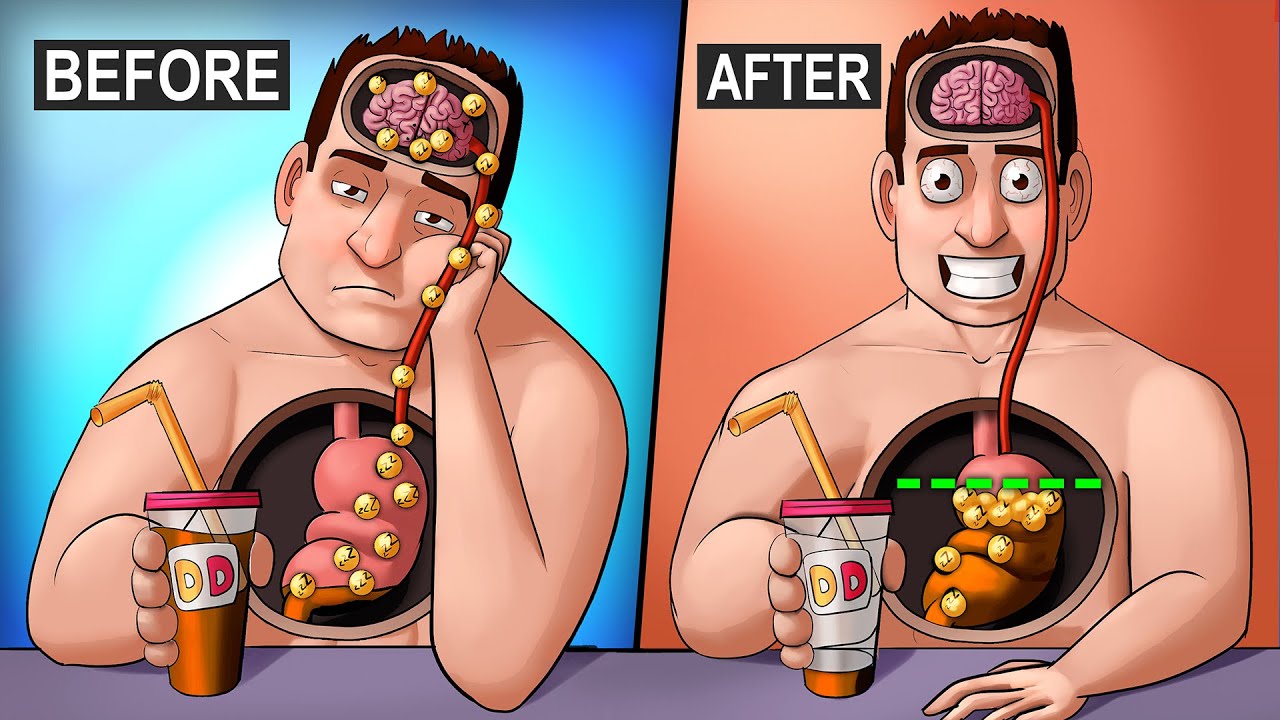
This article dives deep into the intriguing relationship between caffeine and fat loss, exploring six compelling studies that illustrate caffeine’s impact on caloric expenditure. By examining these findings, we can gain valuable insights into caffeine’s potential benefits for individuals looking to optimize their weight loss journey. So, let’s unravel the science behind caffeine and fat loss and how it can help you burn more calories effectively!
1. The Metabolic Boost from Caffeine
Understanding Caffeine’s Role in Metabolism
Caffeine is a psychoactive substance that acts as a stimulant to the central nervous system. When consumed, it leads to increased alertness and energy levels. However, beyond its stimulating effects, caffeine also influences metabolism. Studies, such as one published in the journal Obesity, demonstrate that caffeine can significantly elevate metabolic rates, resulting in heightened energy expenditure throughout the day.
The metabolic effects of caffeine are notably pronounced in individuals who are not habitual caffeine users. Regular consumption may lead to tolerance, diminishing some of the metabolic benefits. However, acute caffeine intake can temporarily raise metabolic rates by 3-11%, making it a valuable tool for those looking to lose weight or maintain their current weight. This elevation in metabolism can lead to greater calorie burning, contributing to overall fat loss.
Another way caffeine affects metabolism is through its role in fat oxidation. Caffeine has been shown to increase the breakdown of fat in adipose tissues, making free fatty acids available for energy during physical exertion. This process is particularly beneficial during exercise, as it enhances fat utilization and can support enhanced performance.
2. Caffeine and Exercise Performance
How Caffeine Enhances Fat Burning During Workouts
One of the critical aspects of fat loss is not just the number of calories burned at rest but also the calories burned during physical activity. Numerous studies highlight the effectiveness of caffeine as a performance-enhancing supplement for athletes and fitness enthusiasts. Research published in the Journal of Sports Medicine points out that caffeine improves endurance, reduces perceived exertion, and allows for longer workout sessions. These benefits directly contribute to a higher calorie expenditure during exercise.
Caffeine’s effect on exercise performance is attributed to its ability to stimulate adrenaline production, which prompts the body to utilize fat as an energy source. In essence, caffeine helps optimize energy use in the body, allowing individuals to push harder and longer during their workouts. The metabolic boost from caffeine can result in burning more fat overall, even at rest, after the workout is complete.
This enhanced performance can be particularly beneficial for high-intensity interval training (HIIT) and resistance training, where maximized calorie burn is crucial for fat loss. By incorporating caffeine into pre-workout routines, individuals can potentially amplify their workout results and improve their body composition over time.
3. Studies Supporting Caffeine’s Fat Loss Benefits
Review of Key Research Findings
The relationship between caffeine and fat loss is well-documented in scientific literature. One significant study published in the American Journal of Clinical Nutrition found that participants who consumed caffeine showed a 100-calorie increase in daily energy expenditure compared to those who did not. This study effectively underscores the potential of caffeine as a dietary supplement in promoting weight loss.
Another notable research piece published in Physiological Reviews highlighted how caffeine consumption before exercise leads to greater fat oxidation rates. The subjects in this study burned significantly more fat when they consumed caffeine before their workouts, which aligns with the metabolic effects previously discussed.
Furthermore, a meta-analysis examining multiple studies concluded that caffeine consumption, particularly in combination with other weight loss strategies, could facilitate greater fat loss outcomes. Individuals looking to enhance their weight loss regimens may find these studies compelling, as they support caffeine’s role not just as a stimulant, but as an effective tool in calorie management and fat loss strategies.
4. The Thermogenic Effect of Caffeine
How Caffeine Induces Thermogenesis
The thermogenic effect of caffeine is another crucial aspect of how it contributes to fat loss. Thermogenesis refers to the process of heat production in organisms, which is associated with increased energy expenditure. Caffeine has been shown to stimulate thermogenesis, thereby increasing the number of calories burned in a day.
Research has indicated that caffeine consumption can lead to an elevation in body temperature and a subsequent increase in energy expenditure. A study published in the journal Metabolism demonstrated that caffeine-induced thermogenesis can significantly influence daily energy expenditure, contributing to long-term weight management.
This thermogenic effect can be particularly beneficial for individuals attempting to lose fat as it creates an environment where the body burns more calories, even in a resting state. Moreover, caffeine’s capacity to increase fat oxidation during post-exercise recovery further emphasizes its role in enhancing dietary thermogenesis. Therefore, those looking to leverage caffeine for fat loss should consider its thermogenic properties as part of a broader weight management strategy.
5. Considerations and Recommendations for Caffeine Use
Safe Caffeine Consumption for Weight Loss
While the benefits of caffeine for fat loss are compelling, it is essential to approach its consumption with caution. Excessive caffeine intake may lead to adverse effects, including anxiety, insomnia, and increased heart rate. To reap the benefits of caffeine without experiencing negative side effects, moderation is key.
Most research supports a safe caffeine intake ranging from 300-400 mg per day for healthy adults, equating to approximately 3-4 cups of brewed coffee. It is recommended to assess individual tolerance levels, as sensitivity to caffeine can vary widely among individuals. Additionally, those with specific health conditions or sensitivities should consult a healthcare professional regarding caffeine consumption.
Furthermore, timing caffeine intake can enhance its fat loss effects. Consuming caffeine about 30-60 minutes before exercise can maximize its performance-enhancing benefits. Individuals may also want to periodically reassess their caffeine use, as developing a tolerance might diminish its overall effectiveness for fat loss.
Summary and FAQ
Caffeine truly offers a multifaceted approach to fat loss by boosting metabolism, enhancing exercise performance, and promoting thermogenesis. As supported by various studies, caffeine can increase calorie burn both at rest and during physical activity, making it a valuable ally in weight management. However, moderation is essential to avoid negative side effects and to maintain sensitivity to caffeine’s benefits.
In conclusion, caffeine can be a powerful tool in your weight loss arsenal. Its efficacy is highlighted through numerous research studies, affirming that strategic consumption can lead to improved fat loss outcomes. If you’re considering integrating caffeine into your weight loss journey, remember to do so mindfully and in conjunction with a balanced diet and fitness program.
FAQ:
1. How does caffeine help in weight loss?
Caffeine increases metabolism, promotes fat oxidation, and enhances exercise performance, leading to higher calorie burn.

2. How much caffeine should I consume for fat loss?
A safe intake of 300-400 mg per day is generally recommended for most adults, but individual tolerance may vary.
3. Can caffeine improve my workout performance?
Yes, caffeine has been shown to enhance endurance and reduce perceived effort during exercise, allowing for longer and more intense workouts.
4. Are there any side effects of consuming too much caffeine?
Excessive caffeine can lead to anxiety, heart palpitations, and insomnia. Moderation is key.
5. Is it necessary to cycle caffeine use?
Yes, periodic assessment and cycling can help maintain caffeine sensitivity and its effectiveness in promoting fat loss.