Benefits of Drinking Coffee for Weight Loss – Study Reveals 6 Ways It Enhances Fat Burning
Introduction to the Benefits of Drinking Coffee for Weight Loss
Coffee, one of the world’s most popular beverages, has long been celebrated not just for its rich flavor and stimulating effects, but also for its potential health benefits. Among these, drinking coffee for weight loss has gained significant attention. Numerous studies and anecdotal evidence suggest that coffee can enhance fat burning and support effective weight management. In this article, we will explore six scientifically-backed ways through which coffee may aid in weight loss and amplify fat-burning processes within the body.

Understanding how coffee affects weight loss requires knowledge of its components and how they interact with metabolism. The primary ingredient responsible for the stimulating effect of coffee is caffeine, a natural thermogenic compound that enhances physical performance and accelerates fat oxidation. Additionally, coffee is rich in antioxidants that can help improve overall health while contributing to weight loss efforts. This makes it a worthy ally in the pursuit of a healthier body weight.
Whether you are a lifelong coffee enthusiast or considering adding it to your weight loss regimen for the first time, this article will provide you with engaging and informative insights. As we delve deeper, expect to discover the various mechanisms by which coffee supports weight loss, addresses common concerns about its consumption, and learns how to incorporate it effectively into your daily routine. So, pour yourself a cup and read on to unlock the potential benefits of drinking coffee for weight loss!
1. Caffeine and Its Role in Fat Oxidation
Understanding Caffeine’s Mechanism in Fat Burning
Caffeine is the most widely consumed psychoactive substance in the world, primarily known for its stimulating effects. One of its notable effects on weight loss is its ability to boost fat oxidation. This occurs when the body breaks down fat stores to be used as energy, a critical process in weight management. When caffeine enters the bloodstream, it stimulates the central nervous system, leading to increased adrenaline levels. Adrenaline, known as the “fight or flight” hormone, signals the body to release fatty acids from fat tissues, making them available for energy.
Studies have shown that individuals who consume caffeine before physical activity generally exhibit increased endurance and performance. This enhanced performance allows for longer workouts, leading to increased calorie consumption and, subsequently, greater fat loss. Additionally, caffeine has been found to improve metabolic rate slightly, which means that even at rest, individuals may burn a few more calories due to coffee consumption.
It’s worth noting that while caffeine can enhance fat burning, the caffeine tolerance among individuals is variable. Regular coffee drinkers may find that they do not experience the same boost as those who consume it less frequently. Therefore, understanding your body’s response to caffeine can help tailor its use for weight loss more effectively.
2. Appetite Suppression: A Hidden Benefit
How Coffee Can Help Control Hunger
Another method by which coffee aids in weight loss is through appetite suppression. Research has indicated that coffee consumption can lead to decreased hunger, primarily due to its caffeine content. When caffeine is consumed, it can affect hormones responsible for regulating appetite, such as ghrelin and leptin. Ghrelin, known as the “hunger hormone,” typically stimulates appetite, whereas leptin signals satiety. Caffeine can modulate these hormones, resulting in reduced feelings of hunger.
Additionally, coffee, particularly if consumed black, has very few calories, making it a significant alternative to high-calorie snacks or beverages that can contribute to weight gain. Some studies suggest that consuming coffee before meals can lead to smaller portion sizes, assisting with calorie control without requiring drastic dietary changes.
However, the extent to which coffee suppresses appetite can vary. Factors such as the type of coffee, the individual’s metabolism, and frequency of consumption all come into play. It’s recommended to be mindful of how coffee affects your hunger signals and balance it with a nutrient-rich diet to optimize weight loss benefits.
3. Enhanced Physical Performance for Weight Management
Pushing Limits with Coffee
One of the most well-known benefits of coffee is its ability to enhance physical performance. It is a staple among athletes and fitness enthusiasts, particularly due to its energy-boosting properties. By increasing adrenaline levels and releasing fatty acids, caffeine enables individuals to exert themselves longer and more intensely during workouts. This increased performance can translate into more intense calorie expenditure, thus aiding weight loss efforts.
Coffee may also improve exercise recovery and reduce fatigue, allowing individuals to train more consistently. When combined with a structured exercise program, regularly consuming coffee can help maximize the results from workouts, fostering a positive cycle of weight loss. Whether it’s through running, weightlifting, or high-intensity interval training (HIIT), caffeine can play a pivotal role in enhancing overall performance and endurance.
However, it’s essential to consider hydration levels as well, as caffeine can lead to increased urination. Therefore, balancing coffee consumption with adequate fluid intake is key to maintaining performance and promoting fat loss effectively.
4. Antioxidant Properties Boost Overall Health
The Health Benefits of Coffee Beyond Weight Loss
Coffee is not just about caffeine; it is also packed with antioxidants, which have numerous health benefits. These antioxidants help combat oxidative stress and inflammation within the body. Research has linked regular coffee consumption to various health advantages, including a lower risk of certain diseases, improved liver function, and even enhanced longevity.
The presence of antioxidants in coffee aids weight loss indirectly, as a healthier body is better equipped to manage its metabolism and fat stores. Additionally, optimal health may lead to more energetic workouts and positive lifestyle choices, thereby supporting weight loss ambitions. By regularly sipping on coffee, individuals can enjoy the benefits of a powerful antioxidant-rich beverage that contributes not just to fat burning, but also to overall wellness.
Furthermore, studies have shown that coffee drinkers tend to have lower incidences of type 2 diabetes and cardiovascular diseases. Therefore, incorporating coffee into a balanced diet not only supports weight loss efforts but also acts as a preventative measure against various health conditions, making it a valuable addition to any lifestyle.
5. Key Factors to Consider When Utilizing Coffee for Weight Loss
Making the Most of Coffee Consumption
While the benefits of drinking coffee for weight loss are evident, certain factors must be considered to maximize its effectiveness. The type and preparation of coffee can significantly influence its health impact. For instance, adding excessive sugar, cream, or flavored syrups can convert a healthy beverage into a calorie-laden treat, counteracting potential weight loss benefits.
It’s imperative to moderate consumption to prevent caffeine dependence, which can lead to tolerance and a reduction in its weight loss effects. Furthermore, understanding individual tolerance levels is crucial, as some may experience jitters, anxiety, or sleep disturbances with high caffeine intake.
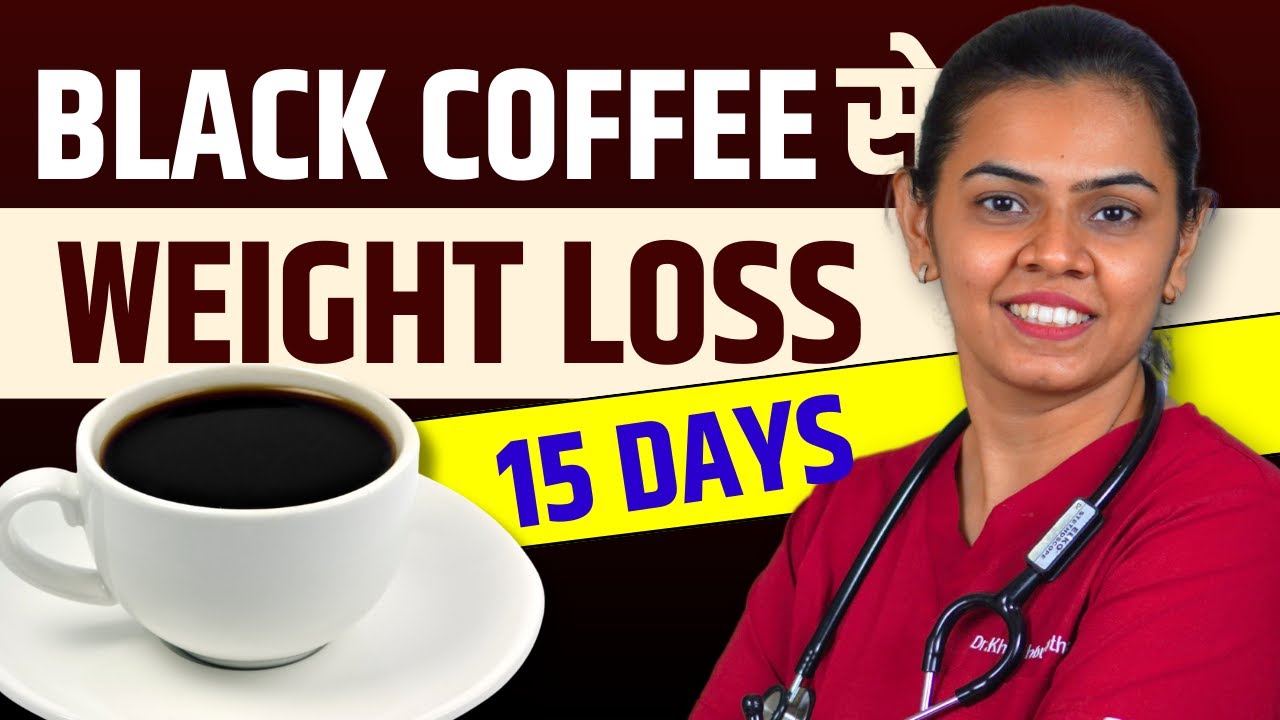
Timing also plays a significant role. For those looking to enhance physical performance, consuming coffee about 30-60 minutes before workouts can provide the best results. On the other hand, to avoid insomnia, it’s wise to limit coffee consumption in the late afternoon and evening.
Ultimately, pairing coffee with a well-rounded dietary approach and an active lifestyle will yield the most significant weight loss benefits. It’s essential to listen to your body and adjust your coffee habit according to your unique preferences and responses.
Summary and FAQs
In summary, drinking coffee can positively impact weight loss through multiple mechanisms, including enhanced fat oxidation, appetite suppression, and improved physical performance. By incorporating this beverage mindfully into a balanced diet and workout routine, individuals can harness its potential and complement their weight loss journey. As we have uncovered, the active ingredient caffeine is instrumental in stimulating metabolism and aiding fat burning while providing numerous overall health benefits.
Common questions relating to coffee and weight loss often include: “How much coffee should I drink for weight loss?” The ideal amount varies, but moderate consumption, typically around 2-4 cups per day, can harness health benefits without adverse effects. Another common inquiry is, “Is iced or hot coffee better for weight loss?” The temperature does not significantly affect weight loss efficacy; however, individuals should be cautious of added ingredients that can increase caloric content.
Many also wonder if decaffeinated coffee offers similar benefits. While it lacks caffeine, decaf still contains antioxidants and may provide some benefits, although the fat-burning effects may be less pronounced. Understanding these nuances will equip coffee lovers with the knowledge to optimize their consumption for weight loss success. By maintaining moderation and monitoring individual responses, coffee can be an effective and enjoyable addition to your weight loss strategy.