Sports Science Confirms Caffeine Accelerates Fat Loss — Why Athletes Use It for Cutting Weight
Sports Science Confirms Caffeine Accelerates Fat Loss — Why Athletes Use It for Cutting Weight
Caffeine is one of the most researched substances in the realm of sports science, with a solid reputation for enhancing athletic performance and accelerating fat loss. As athletes gear up for competitions, particularly during cutting phases where the aim is to reduce body fat while maintaining muscle mass, caffeine emerges as a popular ally. This article delves into the science behind caffeine’s effectiveness in aiding fat loss, reasons why athletes incorporate it into their regimes, and practical tips for its use. Whether you’re a competitive athlete or someone looking to improve fitness levels, understanding how caffeine works can be pivotal in achieving your weight goals. This exploration covers everything from physiological effects to recommended dosages, ensuring you understand why caffeine may be the secret weapon in the weight loss arsenal.
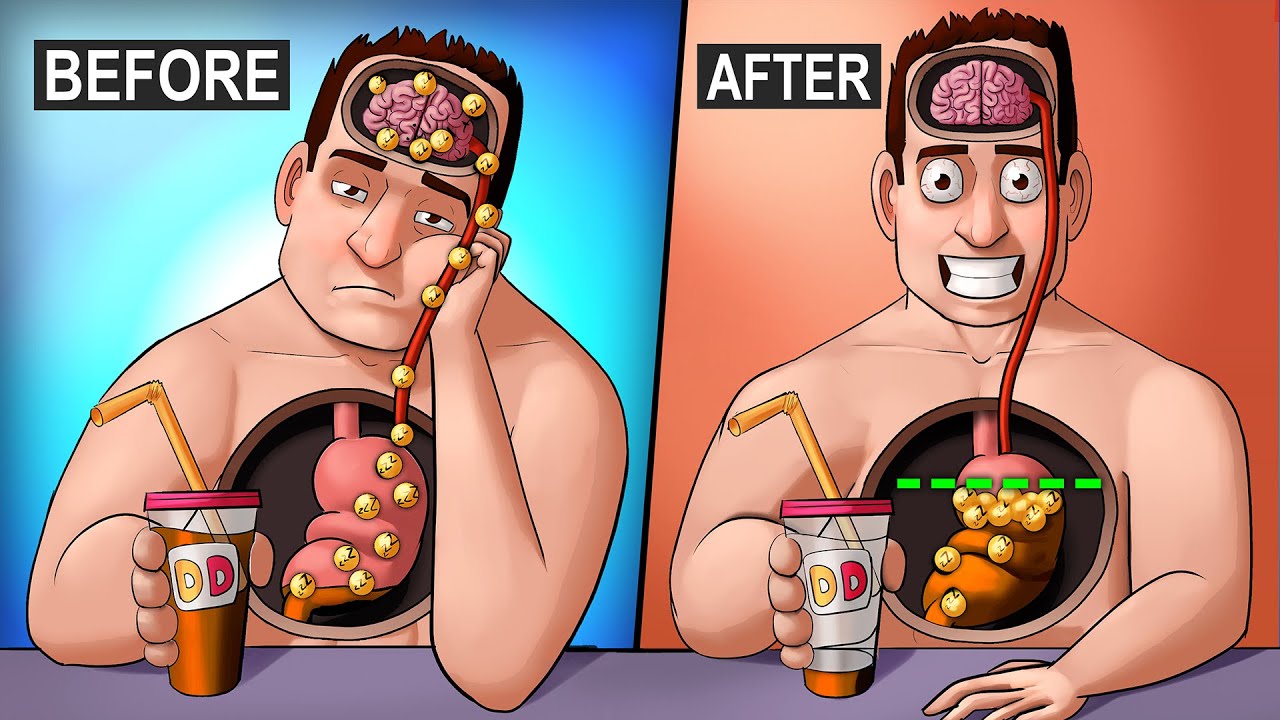
Understanding Caffeine and Its Effects on Fat Loss
Caffeine, a natural stimulant found in coffee, tea, and various energy drinks, has been studied extensively for its impact on metabolism and fat oxidation. Research indicates that caffeine can enhance the mobilization of fatty acids from adipose tissue, making it easier for the body to use fat as a fuel source during exercise.
Mechanism of Action
The primary mechanism through which caffeine promotes fat loss is by increasing the rate of lipolysis— the breakdown of fats stored in fat cells. This process is stimulated by caffeine’s effect on certain hormonal pathways, particularly adrenaline. When caffeine is consumed, it triggers the release of adrenaline, which signals fat cells to release fatty acids into the bloodstream.
In addition to promoting fat mobilization, caffeine increases thermogenesis, leading to a higher energy expenditure. This rise in metabolic rate can create a caloric deficit, essential for weight loss. Studies have shown that caffeine consumption results in a notable increase in both fat oxidation and overall energy expenditure during physical activity.
Moreover, caffeine may also suppress appetite temporarily, assisting individuals in managing caloric intake during cutting phases. However, it’s essential to note that the effects can vary between individuals based on tolerance levels and metabolic differences.
Why Athletes Use Caffeine for Cutting Weight
Athletes often face the dual challenge of reducing body fat while preserving lean muscle mass during cutting phases. Caffeine’s multifaceted benefits make it an attractive option in their training regimens.
Endurance Enhancement
For athletes, caffeine is a well-documented performance enhancer. Studies indicate that caffeine can improve endurance by reducing perceived exertion, allowing athletes to train harder and longer without fatigue. This increased training intensity translates into better fat loss results, making it a vital component for cutting.
Athletes across various disciplines, including runners, cyclists, and bodybuilders, have reported increased stamina and improved performance metrics when caffeine is consumed before workouts. The ability to push through fatigue during high-intensity workouts significantly aids in calorie burning and fat loss.
Best Practices for Caffeine Consumption During Cutting
To maximize the benefits of caffeine for fat loss, athletes should consider certain best practices regarding its consumption.
Timing and Dosage
The timing of caffeine consumption is crucial. Most studies suggest that consuming caffeine 30 to 60 minutes before exercise can enhance performance substantially. As for dosage, a common recommendation is between 3 to 6 mg of caffeine per kilogram of body weight, although sensitivity varies. It is advisable for individuals to start at the lower end of the spectrum and assess their tolerance before increasing intake.
Athletes should also monitor their hydration levels since caffeine may have a diuretic effect. Staying adequately hydrated is especially important during cutting phases, as dehydration can hinder performance and recovery.
Potential Side Effects and Precautions
While caffeine is generally safe for most people, it isn’t without potential side effects that athletes should consider.
Managing Side Effects
Common side effects of caffeine consumption include jitteriness, increased heart rate, gastrointestinal disturbances, and sleep issues. Athletes should be cautious about consuming caffeine later in the day, as it can interfere with sleep patterns. Adequate sleep recovery is pivotal for physical performance and weight loss.
Additionally, caffeine tolerance can develop, leading some individuals to require higher doses to achieve the same effects. Athletes may also experience variability in effectiveness based on personal factors, such as genetics and existing health conditions. For those sensitive to caffeine, alternative pre-workout supplements without stimulants may be worth exploring.
Summary and FAQs about Caffeine and Fat Loss
In summary, caffeine stands out as a powerful tool for athletes aiming to lose fat while maintaining muscle mass. Its ability to enhance endurance, increase fat oxidation, and suppress appetite makes it a crucial asset during cutting phases. However, athletes must approach caffeine consumption mindfully, paying attention to timing, dosage, and personal tolerance levels to mitigate potential side effects.
FAQs
1. How does caffeine help in fat loss?
Caffeine aids fat loss by increasing the rate of lipolysis, enhancing energy expenditure, and promoting the use of fatty acids as fuel during exercise.
2. When is the best time to consume caffeine for fat loss?
Consuming caffeine 30 to 60 minutes prior to exercising is ideal for maximizing its performance-enhancing effects.

3. What is the optimal dosage of caffeine for fat loss?
A recommended dosage is between 3 to 6 mg per kilogram of body weight, though individual tolerance should be assessed and adjusted accordingly.
4. Can caffeine cause weight gain?
Caffeine itself does not cause weight gain; instead, it supports fat loss efforts. However, excessive intake may lead to increased appetite and subsequent overeating.
5. Are there any side effects of caffeine?
Potential side effects include jitteriness, increased heart rate, and sleep disturbances. It’s essential to monitor intake and consider personal tolerance levels.