Sports Nutritionists Confirm: Caffeine Weight Loss Effects Boost Fat Oxidation by 29% During Exercise
Introduction: Unveiling the Power of Caffeine in Sports Nutrition
In the realm of sports nutrition, the relationship between caffeine and weight loss has garnered significant attention. Recent findings reveal that caffeine can boost fat oxidation during exercise by a remarkable 29%. This discovery has profound implications for athletes, fitness enthusiasts, and anyone seeking to enhance their weight loss efforts through informed nutritional choices. But what exactly does this mean? In essence, it confirms that caffeine is not only a popular stimulant but also a potent ally in fat metabolism during physical activity.
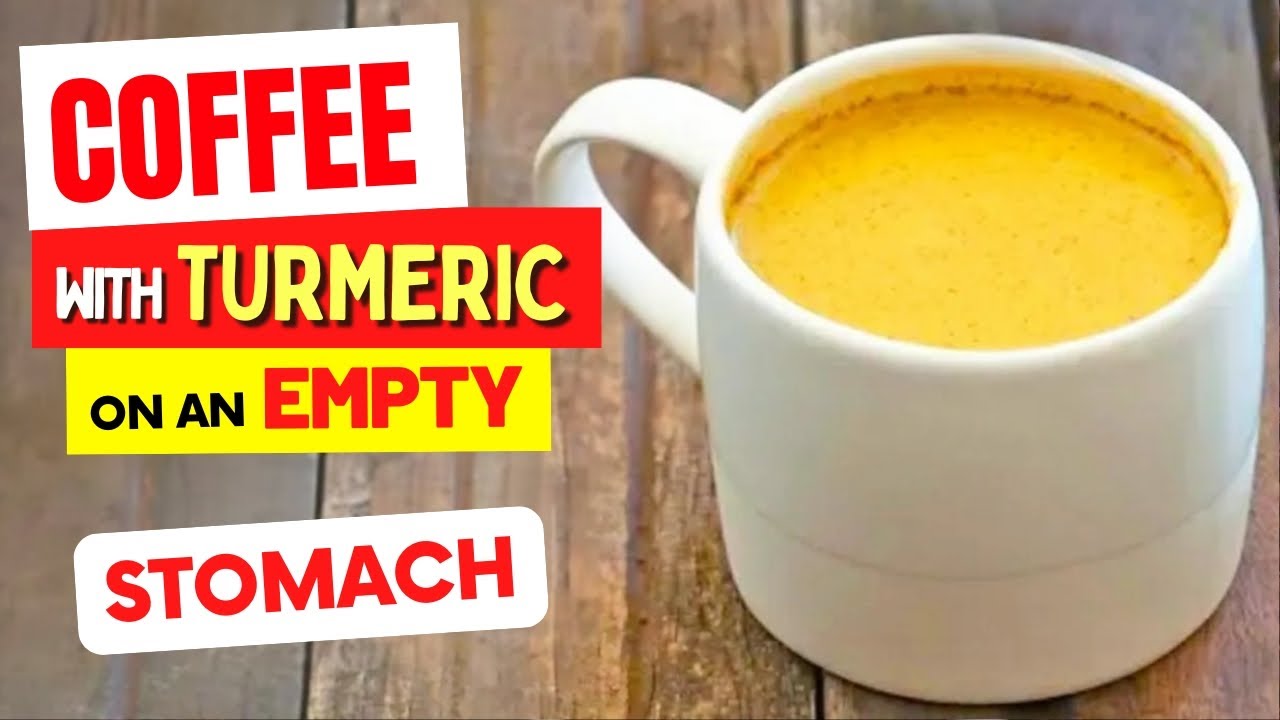
As sports nutritionists delve deeper into the science behind exercise and dietary supplementation, caffeine emerges as a key player. Athletes often turn to caffeine for its well-documented ability to improve endurance and alertness. Still, the enhanced fat-burning effects provide an additional incentive for incorporating it into pre-workout rituals. Understanding how caffeine facilitates these physiological changes can empower individuals to optimize their fitness regimens effectively.
In this article, we will explore the intricate relationship between caffeine and fat oxidation, as confirmed by sports nutritionists. We will discuss how caffeine influences metabolic rates during exercise, its implications for weight loss, and practical tips on its usage for maximizing benefits. Get ready to unlock the potential of caffeine as we navigate through this essential aspect of sports nutrition.
The Science Behind Caffeine and Fat Oxidation
How Caffeine Stimulates Fat Metabolism
Caffeine acts as a central nervous system stimulant, increasing adrenaline levels. This elevation in epinephrine enhances the release of fatty acids from fat tissues into the bloodstream, a process known as lipolysis. During exercise, the body relies on these free fatty acids for energy, effectively increasing fat oxidation. Research has consistently shown that caffeine ingestion prior to workouts can significantly amplify this effect, making it a valuable tool for those aiming to lose weight or improve performance.
The Role of Caffeine in Energy Expenditure
In addition to promoting fat oxidation, caffeine also increases overall energy expenditure. Studies indicate that caffeine consumption can raise metabolic rate, allowing for more calories to be burned during rest and physical activity. This thermogenic effect is particularly beneficial during workouts, where the additional energy expenditure can contribute to greater weight loss over time. Understanding these mechanisms provides a clearer picture of why caffeine is prevalent among athletes and fitness enthusiasts alike.
Recommended Dosage and Timing for Maximum Fat Loss
Finding the Right Amount of Caffeine
The optimal dosage of caffeine for enhancing fat oxidation varies depending on individual tolerance and body composition. Most studies suggest a range of 3 to 6 milligrams per kilogram of body weight, taken approximately 30-60 minutes before exercise. This timing allows for peak caffeine levels in the bloodstream during the workout, maximizing its fat-burning potential.
Factors Influencing Caffeine’s Efficacy
Several factors can influence how effective caffeine is at promoting fat oxidation. Tolerance levels, genetic predispositions, and even hydration status can all impact its effectiveness. Athletes and active individuals should consider these variables when determining how much caffeine to consume for optimal performance and weight loss results. By tailoring their intake to their unique physiology, individuals can harness the full benefits of caffeine.
Caffeine Sources for Athletes: Beyond Coffee
Diverse Options for Caffeine Intake
While coffee remains the most common source of caffeine, there are various alternatives that athletes can utilize. Energy drinks, sports gels, and specialized pre-workout supplements often contain caffeine as a key ingredient. Furthermore, tea and even certain types of chocolate can provide a delicious caffeine boost. Understanding these diverse sources allows individuals to choose the right caffeine option based on personal preference and dietary requirements.
Potential Downsides of Caffeine Consumption
Despite its benefits, caffeine is not without potential downsides. Overconsumption can lead to negative side effects such as increased heart rate, anxiety, and gastrointestinal distress. Additionally, individuals may experience sleep disturbances if caffeine is consumed too late in the day. Therefore, it’s essential for each person to monitor their body’s response to caffeine and adjust their intake accordingly to avoid these pitfalls.
Implementing Caffeine into Your Fitness Routine
Creating a Balanced Nutrition Plan
Integrating caffeine into a balanced nutrition plan can significantly enhance weight loss efforts. Athletes should consider timing their caffeine intake around intense workout sessions to maximize fat oxidation benefits. Pairing caffeine with carbohydrates can also help boost glycogen stores, providing the energy needed for optimal performance. Understanding how to combine these nutritional elements will enhance workout effectiveness and support weight loss goals.
Monitoring Results and Adjusting Intake
To get the most out of caffeine supplementation, athletes should keep track of their progress and response to their caffeine regimen. Utilizing fitness trackers, dietary journals, and performance metrics can help individuals determine how caffeine affects their workouts and weight loss results. Adjusting caffeine consumption based on personal performance outcomes ensures that each individual can optimize their nutrition strategy for maximum benefit.
Conclusion: The Path to Effective Weight Loss with Caffeine
Harnessing the Benefits of Caffeine for Fat Oxidation
In conclusion, caffeine’s role in enhancing fat oxidation by 29% during exercise presents a compelling case for its inclusion in sports nutrition regimens. By understanding how caffeine stimulates fat metabolism and energy expenditure, athletes and fitness enthusiasts can make informed decisions about its use. When consumed in the right amounts and at the right time, caffeine can serve as a powerful tool in the pursuit of weight loss and overall athletic performance.
Developing an Informed Approach to Caffeine Use
In summary, caffeine can enhance fat oxidation and support weight loss when appropriately integrated into a fitness routine. By experimenting with different sources, doses, and timing, individuals can find what works best for them. As always, it is crucial to listen to one’s body and consult with a healthcare provider or sports nutritionist before making significant dietary changes. This evidence-based approach can lead to optimized performance and successful weight loss journeys.
FAQs: Caffeine and Weight Loss
What is the optimal amount of caffeine for fat oxidation?
The generally recommended amount of caffeine for promoting fat oxidation during exercise is between 3 to 6 milligrams per kilogram of body weight, taken about 30-60 minutes before working out.
Are there any risks associated with caffeine consumption?
Yes, while caffeine can offer numerous benefits, excessive consumption may lead to side effects such as increased heart rate, anxiety, and sleep disturbances. It’s essential to monitor your intake to avoid these issues.
What are some natural sources of caffeine I can use?
Natural sources of caffeine include coffee, tea, certain types of chocolate, energy drinks, and pre-workout supplements. Each option offers varying levels of caffeine content, enabling personalized intake strategies.
How does caffeine affect workout performance?
Caffeine can enhance workout performance by improving endurance, increased alertness, and promoting fat oxidation. These effects can collectively contribute to improved athletic performance and training outcomes.
Can I rely solely on caffeine for weight loss?
While caffeine can aid weight loss by enhancing fat oxidation, it should be part of a comprehensive approach that includes balanced nutrition and regular exercise to be effective. Caffeine should not be seen as a standalone solution.