Research Confirms: Caffeine Is Good for Weight Loss When Timed
Research Confirms: Caffeine Is Good for Weight Loss When Timed
Caffeine, the world’s most widely consumed psychoactive substance, has long been a popular topic among health enthusiasts, particularly concerning its effects on weight loss. Recent research confirms that caffeine acts not just as a stimulant but also as a potential facilitator of weight loss when consumed at specific times. This realization shifts public perception about caffeine from merely a “pick-me-up” to a tool that could aid in achieving and maintaining a healthy weight. Understanding how and when to incorporate caffeine into your diet can significantly impact your weight loss journey, turning what may seem like a simple beverage choice into a strategic decision. The synergy of timing and caffeine consumption opens doors to not just enhanced physical performance but also improved metabolic rates, amplified fat burning, and increased energy expenditure—a potent trifecta that plays into weight management. This article delves deep into the science behind caffeine and weight loss, exploring how the timing of caffeine intake maximizes its benefits and aligns with your weight loss goals. Whether you’re a seasoned fitness buff or someone just beginning to explore effective weight loss strategies, understanding the nuanced relationship between caffeine and weight loss is necessary for optimizing your results.
The Science Behind Caffeine and Weight Loss
Understanding How Caffeine Works in the Body
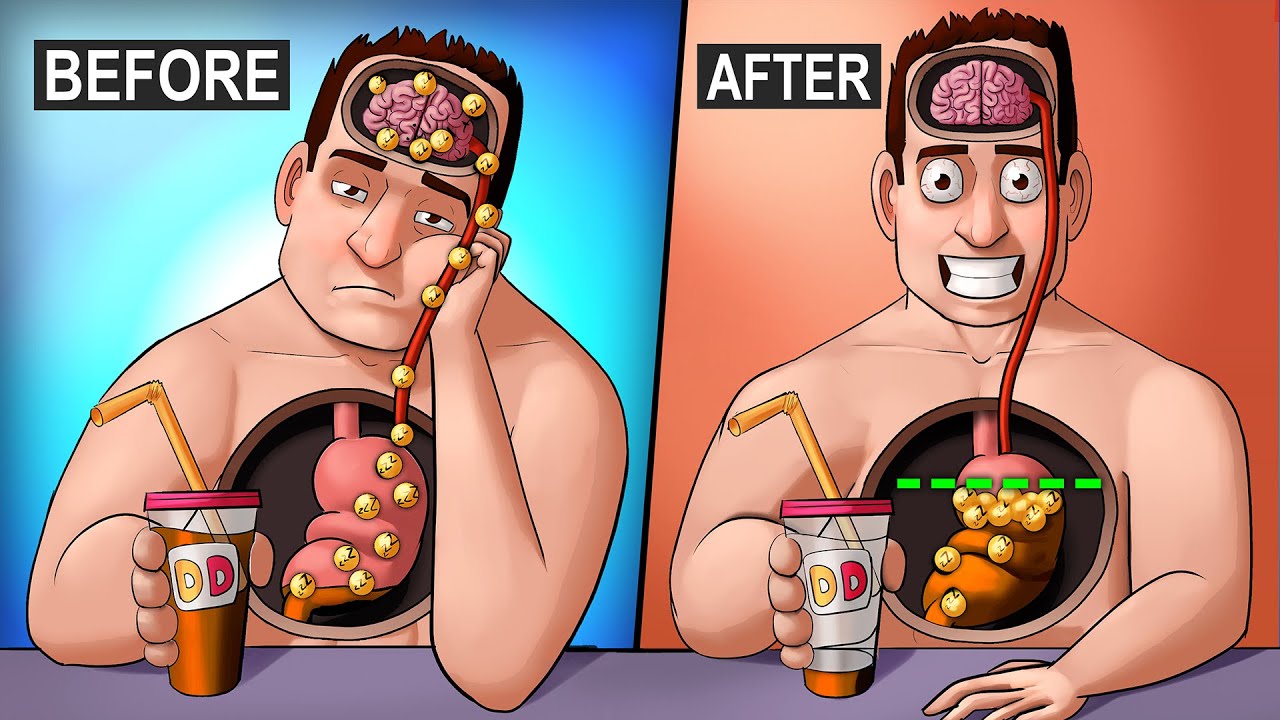
Caffeine stimulates the central nervous system, increasing alertness and reducing fatigue. But its role doesn’t stop there. Research indicates that caffeine can boost metabolic rates, promoting thermogenesis—the process by which body heat is produced. When thermogenesis increases, the body burns more calories, even at rest. Multiple studies have shown that this increase can range from 3% to 11%, which can significantly impact weight loss over time.
Effects on Fat Oxidation
One of the standout benefits of caffeine is its ability to enhance fat oxidation. By increasing the release of free fatty acids into the bloodstream, caffeine enables the body to tap into stored fat for energy. This is particularly advantageous during physical activity, where fat can serve as a primary fuel source, especially in endurance sports.
Appetite Suppression
Caffeine may also play a role in appetite regulation. While some studies indicate that caffeine can suppress appetite in the short term, it’s crucial to combine this effect with balanced eating practices for sustainable weight loss. Caffeine-induced appetite suppression can help prevent overeating, particularly when timed correctly before meals or workouts.
Optimal Timing for Caffeine Consumption
Pre-Workout Benefits
For those engaging in physical activities, timing caffeine consumption can enhance performance. Consuming caffeine 30-60 minutes before a workout can increase endurance and strength. Higher energy levels and improved focus enable individuals to push harder during workouts, leading to higher calorie burns and effective weight loss.
Post-Workout Fat Burning
Incorporating caffeine post-workout can also be beneficial. Following exercise, the body is primed to utilize the free fatty acids released. A strategic intake of caffeine after exercising may perpetuate fat burning while aiding in recovery through its antioxidant properties.
Daily Intake Strategies
To maximize the benefits of caffeine for weight loss, it’s essential to establish a consistent daily routine. Experts recommend limiting caffeine intake to around 400 milligrams per day, or roughly four 8-ounce cups of coffee. Spacing out consumption from morning until early afternoon can sustain energy levels throughout the day without causing insomnia or jitters in the evening.
Combining Caffeine with Diet and Exercise
Synergistic Effects of Caffeine and Diet
To achieve optimal weight loss results, it’s important to complement caffeine consumption with a healthy diet. Caffeine can amplify the effects of a high-protein diet, which is known to further enhance metabolism and promote satiety. Foods rich in protein, combined with caffeine, can contribute significantly to weight loss efforts.
Integrating Caffeine in Workouts
A well-rounded exercise regimen is critical for harnessing caffeine’s full weight loss potential. Incorporating both strength training and cardiovascular exercises allows for varied workouts that benefit from caffeine’s energy-boosting properties. Proper timing of caffeine consumption aligns with the variances in workout intensity and duration, ensuring maximum efficacy.
Monitoring Individual Responses
Everyone responds differently to caffeine. Monitoring your own reaction is crucial to finding the right balance that aids your weight loss. Some may experience anxiety or jitters with high doses, while others find caffeine enhances their performance. Personalizing caffeine intake can optimize results based on individual tolerance and lifestyle.
Potential Drawbacks of Caffeine for Weight Loss
Dependence and Tolerance Issues
One of the more tricky aspects of caffeine is the potential for the body to develop a tolerance. Over time, the stimulating effects may diminish, requiring greater amounts for the same impact. This can lead to increased consumption, which is not ideal for weight management. Regular cycling off caffeine may help reset tolerance levels.
Sleep Disruption Concerns
While caffeine can be beneficial for weight loss, excessive intake or consumption late in the day can disrupt sleep patterns. Quality sleep is crucial for effective weight management, as a lack of rest can elevate stress hormones, potentially leading to weight gain or plateauing in weight loss.
Judicious Use and Hydration
Staying mindful of caffeine’s diuretic properties is also essential. Although moderate consumption is generally safe, it’s vital to balance caffeine intake with adequate hydration, especially for active individuals. Adequate water intake should accompany caffeine consumption to ensure overall health and wellness, contributing positively to weight loss efforts.
FAQ: Caffeine and Weight Loss Timing
How does caffeine aid in weight loss?
Caffeine aids in weight loss by boosting metabolism, increasing fat oxidation, and providing energy for workouts. It can enhance exercise performance, allowing individuals to burn more calories during physical activities.
When is the best time to consume caffeine for weight loss?
The best time to consume caffeine for weight loss is approximately 30-60 minutes before workouts for improved performance. Post-workout caffeine can also support fat burning and recovery. Spacing consumption throughout the day while avoiding late-afternoon intake is recommended to prevent sleep disruption.
Can caffeine suppress appetite?
Yes, caffeine can temporarily suppress appetite. However, this effect may vary between individuals and should not replace a balanced diet. It’s essential to maintain regular meals to ensure adequate nutrition.
Is there a risk of overconsumption of caffeine?
Yes, overconsumption of caffeine can lead to negative side effects, such as anxiety, insomnia, and increased heart rate. The general recommendation is to limit intake to around 400 milligrams per day for most individuals.
Should I avoid caffeine altogether for weight loss?
No, caffeine can be beneficial for weight loss when consumed in moderation and timed appropriately within a healthy lifestyle. The key is to integrate it wisely with diet and exercise while monitoring your body’s responses.