Sports Nutrition Study Finds Caffeine Enhances Fat Loss — Why Athletes Use It
Sports Nutrition Study Finds Caffeine Enhances Fat Loss — Why Athletes Use It
In the world of sports nutrition, caffeine has long been hailed as a powerhouse supplement that not only boosts energy but also aids in fat loss. Recent studies underscore the significance of caffeine consumption among athletes, revealing how it can enhance metabolic rates and improve fat oxidation during physical activity. Understanding the mechanics behind caffeine and its effects on fat loss can help athletes optimize their nutrition strategies for better performance and recovery. This comprehensive article delves into the science behind the recent sports nutrition study while exploring the reasons athletes are incorporating caffeine into their training regimens. We’ll cover the physiological effects of caffeine, the mechanisms that promote fat loss, effective dosing strategies, and the potential impact on athletic performance. Additionally, we’ll answer some common questions surrounding caffeine use in sports, providing you with the insights needed to make informed decisions about incorporating this popular stimulant into your nutrition plan.
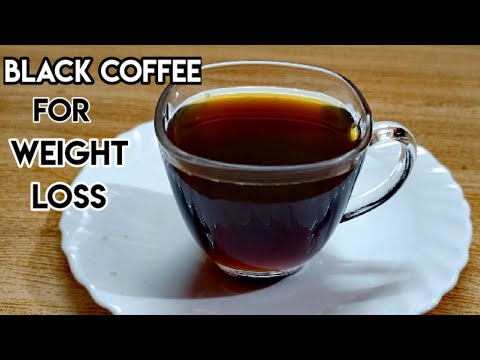
The Science Behind Caffeine and Fat Loss
Understanding Caffeine Metabolism
Caffeine is a central nervous system stimulant that is quickly absorbed into the bloodstream. It reaches peak concentration in about 30 to 60 minutes after consumption and has a half-life of approximately three to five hours, making it a potent ally for athletes looking to enhance their workout sessions. The metabolic pathways involved in caffeine metabolism include its conversion to paraxanthine, theobromine, and theophylline, each contributing to various physiological responses linked to fat loss.
Notably, caffeine’s role as a thermogenic agent means that it can increase the body’s resting metabolic rate (RMR). This increase allows the body to burn more calories even at rest, which, when combined with exercise, can lead to a more significant caloric deficit over time—essential for fat loss. Furthermore, caffeine enhances lipolysis, the process through which fat is broken down and utilized for energy, promoting fat oxidation during physical activities.
The Role of Caffeine in Exercise Performance
Athletes often turn to caffeine not only for its fat-burning potential but also for its performance-enhancing capabilities. Research indicates that caffeine can improve endurance, reduce the perception of effort, and delay fatigue during prolonged exercises. These effects are crucial for athletes participating in high-intensity, endurance, or prolonged sports. By enabling athletes to work harder and longer, caffeine indirectly supports fat loss goals through increased energy expenditure.
Moreover, studies have shown that caffeine consumption before workouts can lead to an increase in the total number of calories burned during and after exercise. This post-exercise calorie burn, known as excess post-exercise oxygen consumption (EPOC), can further enhance fat loss.
Effective Caffeine Dosage and Timing
Finding the Right Amount for Optimal Results
Determining the optimal caffeine dosage for fat loss can be a game-changer for athletes. While individual tolerance levels vary, studies suggest that a caffeine intake of 3-6 mg per kilogram of body weight is effective for enhancing workout performance and supporting fat loss. For example, a 70 kg athlete may benefit from consuming between 210 mg to 420 mg of caffeine before a workout.

Timing is also crucial; consuming caffeine approximately 30 to 60 minutes prior to exercise can maximize its benefits. However, athletes should also be wary of their own bodies, as excessive caffeine can lead to negative effects such as jitters, anxiety, or gastrointestinal distress.
Caffeine Sources: What to Choose?
Athletes seeking to incorporate caffeine into their nutrition plans have a variety of options. Common sources include coffee, energy drinks, caffeine tablets, and pre-workout supplements. Coffee remains a favorite due to its natural origin and high antioxidant content. In contrast, energy drinks may contain added sugars and other stimulants that could negate some benefits. Therefore, it’s essential for athletes to choose sources that align with their overall nutrition goals and lifestyle.
Potential Risks and Considerations
Understanding Tolerances and Side Effects
While caffeine can be beneficial, athletes must be aware of the potential risks associated with its overconsumption. Common side effects may include insomnia, increased heart rate, stomach upset, and heightened anxiety. These side effects can negatively affect training and recovery if not appropriately managed.
Moreover, habitual caffeine consumption can lead to tolerance, requiring athletes to consume larger amounts to achieve the same effects. This phenomenon can undermine the benefits of caffeine as a fat loss aid and performance enhancer. To mitigate this issue, athletes might incorporate caffeine cycling—periodically reducing intake to reset their tolerance levels, maintaining efficacy over time.
Hydration and Caffeine: What You Need to Know
An often-overlooked aspect of caffeine consumption is its diuretic effects. Although moderate caffeine intake does not lead to significant dehydration in most people, athletes must prioritize hydration, especially when consuming caffeine. Adequate water levels are crucial for optimal athletic performance and recovery, so striking a balance between caffeine and fluid intake is essential.
Incorporating Caffeine into Your Sports Nutrition Plan
Creating a Balanced Approach
For athletes looking to incorporate caffeine effectively into their sports nutrition plan, it’s crucial to maintain a balanced approach. Start by assessing your individual sensitivity to caffeine and experiment with different dosages to find what works best for you. Remember to pair caffeine intake with nutritious foods that support overall fitness goals.
Additionally, keep track of your workouts, noting how caffeine affects your performance and recovery. Monitoring these variables can help you make informed choices about caffeine consumption and establish a routine that maximizes fat loss and athletic performance.
Consulting Nutrition Experts
Finally, consider consulting with sports nutritionists or dietitians who specialize in athletic performance. These professionals can provide tailored advice on caffeine use concerning your specific goals, workout routines, and dietary needs. They can also help you devise a comprehensive nutrition plan that harmonizes with your caffeine strategy, ensuring you reap the full benefits of this widely used stimulant.
Summary and FAQ about Caffeine and Fat Loss
In summary, caffeine is a valuable tool for athletes targeting fat loss and improved performance. With its ability to enhance metabolism, increase energy expenditure, and improve athletic performance, it has become a go-to supplement among many professional and amateur athletes. However, understanding the optimal dosage, timing, and potential risks is essential for harnessing its benefits effectively.
Many athletes are left with questions about caffeine use. Here are some common queries:
- How much caffeine should I take for fat loss? Generally, 3-6 mg per kg of body weight is suggested for effective fat loss and performance enhancement.
- When is the best time to consume caffeine? Consuming caffeine 30 to 60 minutes before exercise is ideal for maximizing its performance benefits.
- Are there risks involved with caffeine consumption? Yes, risks include increased heart rate, anxiety, and potential digestive issues. It’s essential to find a comfortable balance that works for your body.
- Can caffeine lead to dehydration? While moderate caffeine intake doesn’t usually cause dehydration, athletes should ensure they maintain proper hydration, especially when consuming caffeinated beverages.
- How do I know if caffeine is right for me? It can help to track your reactions to caffeine and consult with a sports nutrition expert to develop a personal approach.
By arming yourself with knowledge from recent studies on sports nutrition and caffeine’s impacts, you can optimize your fitness journey and reach your fat loss goals with the right strategies in place.