Scientific Review Details Caffeine’s Effects on Weight Loss — Why Results Vary Between Individuals
Scientific Review Details Caffeine’s Effects on Weight Loss — Why Results Vary Between Individuals
The quest for weight loss has led individuals down many paths, with caffeine being one of the most widely consumed substances in the world known for its potential metabolic benefits. Numerous studies have explored caffeine’s role in promoting weight loss, yet results remain varied across different individuals. Caffeine is often hailed as a fat-burning agent, yet the degree of its effectiveness is contingent on multiple factors, including genetic predispositions, lifestyle, and individual metabolic rates. This article delves into the scientific review, scrutinizing how caffeine affects weight loss, while also elucidating why the results can differ so significantly among individuals.
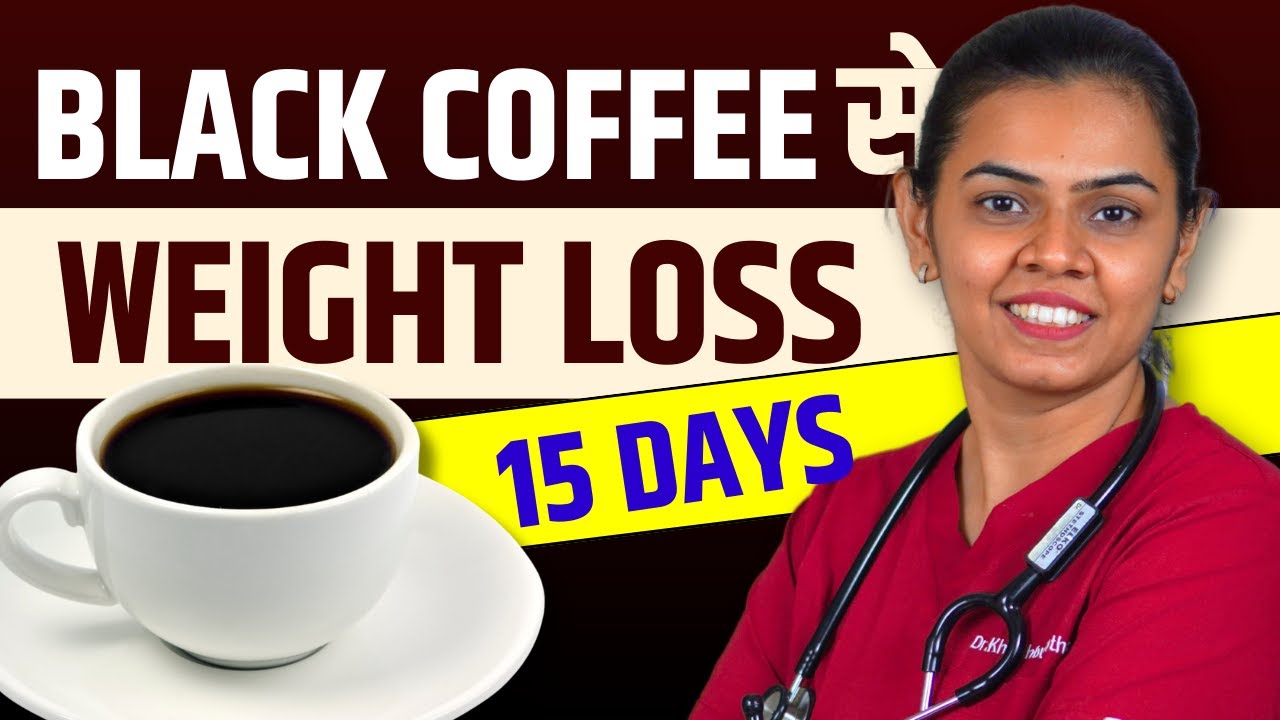
Caffeine’s status as a stimulant is well-documented, providing an energy boost and enhancing physical performance, which are appealing attributes for those striving to shed excess weight. However, various studies illuminate the complexity of caffeine’s effects on weight reduction. Factors like age, sex, body composition, and overall diet have all been identified as contributors to the varying outcomes seen in different people. Additionally, understanding the biochemical mechanisms at play is imperative when evaluating caffeine’s weight loss potential. By analyzing current research and expert opinions, this article aims to provide insightful answers to common questions regarding caffeine and its multifaceted relationship with weight loss.
As we embark on this comprehensive journey through the science of caffeine and weight loss, we aim to clarify misconceptions and present a nuanced understanding of why this common beverage ingredient may not yield the same effects for everyone. Let’s explore the science behind caffeine, its physiological effects, and the factors influencing its efficacy as a weight loss aid.
Understanding Caffeine’s Physiological Effects
The Biochemistry of Caffeine
Caffeine is a central nervous system stimulant that inhibits adenosine receptors, leading to increased alertness and reduced fatigue. When consumed, caffeine is rapidly absorbed into the bloodstream, peaking in concentration within 30 to 60 minutes. This has significant implications for metabolism, as caffeine has been shown to increase metabolic rate and promote lipolysis (the breakdown of fat). It achieves this through several mechanisms, including the release of epinephrine (adrenaline) and the activation of brown adipose tissue, which burns energy to produce heat.
In addition to stimulating fat oxidation, caffeine can enhance physical performance. Many athletes utilize caffeine to improve endurance and strength during workouts. By increasing adrenaline levels, caffeine primes the body for rigorous physical activity, further supporting weight loss efforts. However, it’s essential to note that while these physiological effects are observed in research, individual responses may vary, influenced by genetic and environmental factors.
The Role of Genetic Variability
Studies suggest a genetic component influencing how individuals metabolize caffeine. Variations in the CYP1A2 gene are known to affect caffeine clearance rates in the liver. Individuals classified as “fast metabolizers” may experience increased fat oxidation and heightened energy levels post-caffeine consumption. In contrast, “slow metabolizers” might encounter heightened sensitivity to caffeine’s effects, potentially leading to adverse reactions like jitteriness or anxiety, which could counteract its weight loss benefits.
This genetic variability can significantly impact caffeine’s effectiveness as a weight loss tool. While some may reap the benefits of increased metabolism and appetite suppression, others may find that caffeine does little to aid their weight loss journey, demonstrating the importance of personalized approaches to diet and supplementation.

Impact of Lifestyle Factors on Caffeine Efficacy
<h3-Dietary Influences
Apart from genetic factors, lifestyle choices and dietary habits play a crucial role in determining how effective caffeine is for weight loss. For instance, individuals who consume a high-sugar or high-fat diet may not experience the same benefits from caffeine as those adhering to a balanced diet rich in whole foods. Studies have shown that caffeine can enhance fat oxidation, but its impact diminishes if not accompanied by healthy eating practices.
Caffeine can also suppress appetite, which might benefit individuals trying to control their caloric intake. However, for those who rely on caffeine to compensate for poor dietary choices, the hormone regulation and hunger signaling can become unbalanced, further complicating weight loss efforts. Therefore, employing caffeine as a weight loss aid should be viewed as part of a holistic approach, rather than a standalone solution.
Physical Activity and Caffeine
Exercise interacts synergistically with caffeine to promote weight loss. Engaging in regular physical activity enhances the body’s ability to utilize caffeine, maximizing its benefits. Caffeine has been shown to improve endurance and performance, allowing individuals to workout harder and longer, thereby increasing calorie expenditure. Those who lead a sedentary lifestyle may not experience these benefits to the same degree as active individuals, underlining the need for a balanced exercise regimen alongside caffeine consumption.
Moreover, the timing of caffeine intake can influence outcomes as well. Consuming caffeine 30 minutes before a workout can optimize performance and fat burning during exercise. Therefore, for those seeking to leverage caffeine as part of their weight loss strategy, timing it correctly and integrating it with a robust fitness routine can enhance its effectiveness.
Potential Downsides and Misconceptions of Caffeine
Adverse Effects of Caffeine
Despite its popularity, caffeine is not without its downsides. High doses can lead to increased heart rate, elevated blood pressure, and anxiety. Overreliance on caffeine can also hinder sleep quality, which is crucial for weight loss and overall well-being. Chronic sleep deprivation can lead to hormonal imbalances that affect appetite and weight regulation.
Moreover, misconceptions surrounding caffeine’s weight loss benefits persist. Some believe that simply increasing caffeine intake will yield better results, but this is far from the truth. Tolerance can develop quickly, diminishing its efficacy over time. This illustrates the importance of moderation and awareness about one’s own body when considering caffeine as a tool for weight loss. Those looking to lose weight should approach caffeine use thoughtfully, weighing both its potential benefits and risks.
Addressing Common Misconceptions
Many myths about caffeine exist, such as the belief that it can replace healthy lifestyle choices. While caffeine may provide a slight metabolic boost, it is not a substitute for adequate nutrition and exercise. Furthermore, misconceptions that caffeine will work for everyone equally can lead to frustration for those who do not see results. Individual variability, coupled with other lifestyle factors, means that personalization is key to effective weight management.
Conclusion: Navigating Caffeine’s Weight Loss Potential
Personalization in Caffeine Consumption
In conclusion, while caffeine has demonstrated the potential to aid weight loss, the effectiveness can vary significantly across individuals due to a range of factors including genetics, diet, exercise, and lifestyle choices. Understanding one’s own response to caffeine is essential for maximizing its benefits. Personalized strategies, which integrate caffeine consumption with a holistic approach to diet and physical activity, can lead to more favorable outcomes in weight loss efforts.
Individuals should monitor their health and be mindful of their caffeine intake to optimize its potential benefits without succumbing to its drawbacks. It is also advisable to consult healthcare professionals who can provide tailored guidance based on individual metabolism and health conditions, ensuring a safe approach to using caffeine in weight loss efforts.
Frequently Asked Questions (FAQs) about Caffeine and Weight Loss
As we conclude our in-depth exploration of caffeine’s role in weight loss, it is common to have lingering questions about this complex topic. Below, we address some frequently asked questions to clarify and summarize our findings, helping you navigate your weight loss journey more effectively.
1. Does caffeine help with weight loss?
Yes, caffeine can aid in weight loss by increasing metabolic rate, promoting fat oxidation, and enhancing physical performance. However, individual results may vary based on factors such as genetics, lifestyle, and dietary habits.
2. How much caffeine should I consume to lose weight?
Moderation is key; generally, 200-400 mg of caffeine per day is considered safe for most adults and can be effective for weight loss. It is essential to listen to your body and adjust accordingly.
3. Can caffeine replace exercise and diet for weight loss?
No, caffeine should not replace healthy dietary practices and regular physical activity. It can complement these efforts but is not a substitute for the fundamental components of weight loss.
4. Are there any side effects of consuming too much caffeine?
Yes, excessive caffeine consumption can lead to negative side effects such as anxiety, insomnia, digestive issues, and increased heart rate. Monitoring intake and being mindful of personal tolerance levels can help mitigate these risks.
5. Why do some people lose weight with caffeine while others do not?
The variability in caffeine’s effectiveness for weight loss can be attributed to genetic factors, individual metabolic rates, lifestyle choices, and dietary patterns. Personalization and understanding individual responses are vital for achieving weight loss goals.
6. What is the best time to consume caffeine for weight loss?
Consuming caffeine 30-60 minutes prior to exercise can help maximize its benefits for performance and fat burning. However, it’s crucial to avoid consumption too close to bedtime to prevent sleep disturbances.
By addressing these common inquiries, we hope to provide clarity and confidence in utilizing caffeine as part of a balanced approach to weight loss.