Scientific Research Shows Caffeine Helps Burn Fat — How It Boosts Metabolism
Introduction to Caffeine and Fat Burning
Caffeine, a central nervous system stimulant, has long been a popular choice for energizing individuals throughout the day. However, recent scientific research shows that caffeine is more than just a pick-me-up; it plays a significant role in burning fat and boosting metabolism. Understanding how caffeine impacts fat metabolism can empower individuals aiming for weight loss and improved physical performance. By delving into the mechanisms at play, we can uncover the enhancements that caffeine provides when it comes to metabolic health.
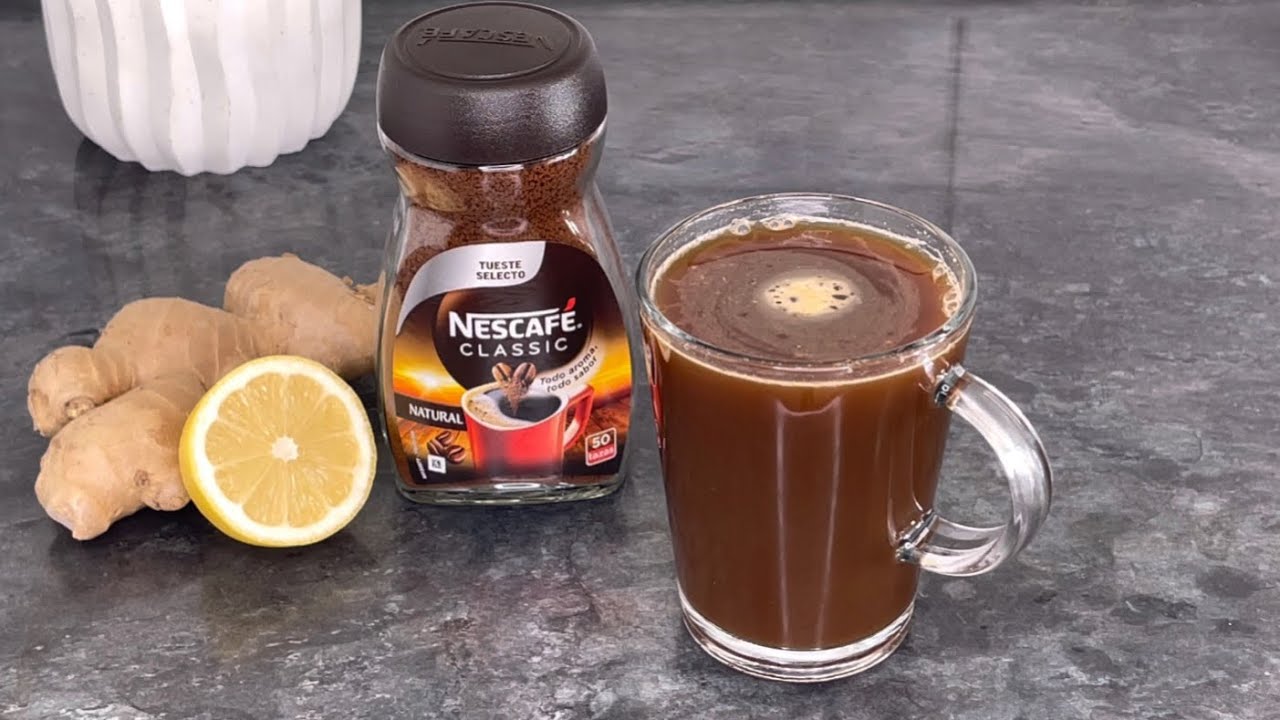
Studies have shown that caffeine stimulates the oxidation of fatty acids, signaling the body to use fat as an energy source. This phenomenon is particularly beneficial for those engaged in regular exercise, as utilizing fat stores can improve endurance and overall performance. When ingested, caffeine can accelerate the metabolic rate, allowing individuals to burn more calories, even while at rest.

Furthermore, the research suggests that caffeine may enhance lipolysis, the process by which stored fat is broken down and utilized for energy. This can lead to more effective weight management when combined with a balanced diet and regular physical activity. By exploring the scientific principles behind caffeine’s effects on metabolism, this article will shed light on its potential as a natural fat-burning aide and how it can fit into an active lifestyle.
Caffeine’s Role in Metabolism Boosting
Understanding Metabolism
Metabolism encompasses all bodily processes that convert food and drink into energy. It is categorized into two primary functions: catabolism and anabolism. Catabolism involves breaking down molecules to release energy, while anabolism builds complex biomolecules from simpler ones. An efficient metabolism is vital for effective energy use and weight management.
Caffeine influences these metabolic processes significantly. If you’ve ever experienced a surge of energy after consuming caffeine, it’s because the stimulant raises adrenaline levels in the blood. This hormone triggers the release of fatty acids from fat tissues, jumpstarting the body’s energy consumption processes. Studies suggest that caffeine can increase metabolic rates by up to 11%, especially in lean individuals. This boost plays a critical role in how our bodies burn calories and utilize energy from fat sources more efficiently.
Effects of Caffeine on Energy Expenditure
Energy expenditure refers to the total number of calories your body burns to maintain normal bodily functions and physical activities. Caffeine has been shown to enhance energy expenditure during exercise and rest, making it an attractive supplement for individuals seeking to increase their caloric burn. Research indicates that caffeine can elevate resting metabolic rate (RMR), which is the rate at which your body burns calories while at rest.
Additionally, when paired with physical activity, caffeine enhances performance by reducing perceived effort during workouts. As a result, individuals may be able to exercise longer and harder, further amplifying fat burning. The synergistic effect of caffeine with exercise means users can take full advantage of their workouts, achieving better fat loss results.
Caffeine and Fat Oxidation
The Process of Fat Oxidation
Fat oxidation is the biochemical process the body uses to break down fat molecules and convert them into usable energy. Caffeine promotes this process by increasing the mobilization of fat from adipose tissue. When you consume caffeine, it triggers the breakdown of stored fat, which is then utilized for providing energy, especially during extended periods of physical activity.
Research indicates that caffeine can increase fat oxidation rates significantly. One study showed that individuals who consumed caffeine prior to aerobic exercise burned nearly 30% more fat than those who did not. This substantial difference highlights how caffeine consumption can be strategically timed to enhance fat loss.
Combining Caffeine with Exercise
For optimal results in fat burning, combining caffeine with your regular exercise routine is essential. Caffeine isn’t just a stimulant but a valuable ergogenic aid. Research shows that athletes who consume caffeine before workouts experience improved endurance, faster recovery rates, and increased overall performance. The enhancement of fat oxidation leads to the preservation of glycogen stores, allowing for longer training sessions.
Caffeine’s ability to reduce muscle pain perception also plays a role, as it allows individuals to push through tougher workouts, contributing to greater fat loss outcomes. Therefore, integrating caffeine into a fitness regimen can lead to improved metabolic efficiency and fat-burning potential.
Recommendations for Caffeine Consumption
Optimal Dosage
While caffeine can aid in fat metabolism, moderation is crucial. The recommended daily intake for most people ranges from 200 to 400 mg, which equates to about 2 to 4 cups of brewed coffee. However, sensitivity to caffeine varies significantly among individuals. Factors such as body weight, genetics, and tolerance levels will influence how much caffeine one can consume safely and effectively.
It’s important to monitor how caffeine affects your body, especially regarding sleep patterns and anxiety levels. If caffeine disrupts your sleep or leads to increased heart rate or jitteriness, adjusting the dosage or consumption time may be necessary.
Timing of Caffeine Intake
Strategically timing your caffeine intake can maximize its fat-burning properties. Consuming caffeine about 30-60 minutes before a workout is ideal, as this allows the body to utilize the stimulant’s energizing effects throughout the entire session. For further benefits, caffeine can be taken before high-intensity interval training (HIIT), which has been shown to be effective for fat loss.
Additionally, consider the type of caffeine source. While coffee and tea provide caffeine alongside antioxidants and other beneficial compounds, supplements are also available. However, the latter can sometimes lead to excessive intake if not monitored carefully.
Potential Side Effects of Caffeine
Understanding Caffeine Sensitivity
Caffeine consumption is not without its potential downsides. Individuals vary in their sensitivity to caffeine, with some experiencing side effects even at lower doses. Common side effects include anxiety, digestive issues, insomnia, and increased heart rate. Hence, knowing your limits is essential for safe consumption.
Pregnant individuals and those with certain medical conditions should consult healthcare professionals regarding appropriate caffeine intake. Moderation is key, as excessive caffeine can lead to dependency and withdrawal symptoms, overshadowing its potential benefits in the context of fat burning and metabolism.
Balancing Caffeine in Your Diet
Incorporating caffeine into a healthy lifestyle involves balance. Focus on consuming caffeinated beverages without added sugars and excessive calories to avoid counteracting weight-loss efforts. Opting for natural sources like coffee or green tea instead of sugary energy drinks can also enhance overall health while providing the desired metabolic boosts.
FAQs: Key Insights on Caffeine and Fat Burning
Can caffeine help me lose weight? Yes, caffeine can support weight loss when used in conjunction with a balanced diet and regular exercise. It enhances metabolism and promotes fat oxidation, leading to increased calorie burn.
What is the best time to consume caffeine for fat loss? The best time to take caffeine is approximately 30-60 minutes before exercise to maximize its fat-burning effects during workouts.
How much caffeine is safe to consume daily? The general recommendation is between 200 to 400 mg of caffeine per day, depending on individual sensitivity levels. Monitoring your reaction to caffeine is important in determining personal limits.
Are there any side effects of caffeine? Yes, potential side effects include jitters, anxiety, digestive issues, and sleep disturbances. Adjust your intake if you experience negative effects.
Can I rely solely on caffeine for weight management? While caffeine can help boost metabolism and support fat loss, it is crucial to maintain a balanced diet and regular exercise routine for effective weight management.
What are some healthy sources of caffeine? Healthy caffeine sources include coffee, green tea, and matcha, which also provide beneficial compounds that can contribute to overall wellness.