Food Science Study Shows Coffee Powder May Aid Weight Loss — How Preparation Impacts Effectiveness
Introduction to Coffee Powder and Weight Loss
The quest for effective weight loss solutions is an ongoing challenge for many individuals striving to achieve their fitness goals. Recent studies in the realm of food science have shed light on a fascinating potential ally in this quest: coffee powder. Research suggests that coffee powder may aid in weight loss, creating intriguing possibilities for both health enthusiasts and casual coffee drinkers alike. This article will delve deep into how coffee preparation impacts its effectiveness in weight management, exploring the mechanisms behind its benefits, the optimal ways to prepare it, and offering insights into its role in a balanced diet.

Coffee, a beloved beverage worldwide, is not just a morning pick-me-up; it’s rich in antioxidants and other compounds that may contribute to metabolism enhancement, appetite suppression, and fat oxidation. The unique properties of coffee powder, derived from ground coffee beans, can vary based on preparation methods, such as brewing techniques, dosage, and consumption form. As we navigate through this article, our aim is to provide a comprehensive understanding of coffee powder’s potential benefits for weight loss, while also addressing how users can maximize its effectiveness through proper preparation. Join us as we explore various facets of this delightful beverage that could make it an unexpected ally in achieving weight loss goals.
Understanding the Science Behind Coffee Powder and Weight Loss
Key Components of Coffee that Aid Weight Loss
Coffee is packed with numerous bioactive compounds that contribute to its health benefits, primarily caffeine, chlorogenic acids, and antioxidants. Caffeine is a well-known stimulant that enhances metabolic rate by increasing the rate of calorie burning. Studies have shown that individuals consuming caffeinated beverages have improved fat oxidation during exercise and resting state metabolism, leading to potential weight loss benefits.
Chlorogenic acids, present in high amounts in coffee, are another aspect worthy of exploration. They are polyphenols that have antioxidant properties and may contribute to weight management by regulating glucose metabolism and reducing fat accumulation. These compounds help delay carbohydrate absorption, promoting better blood sugar levels, thus minimizing cravings and aiding weight control. As we further investigate the roles of these compounds, it becomes apparent that coffee powder is not merely a beverage; it is a complex substance that interacts with the body’s metabolic processes in various ways.
How Coffee Preparation Affects Its Weight Loss Benefits
The method of coffee preparation can significantly influence its effectiveness for weight loss. Different brewing techniques can alter the concentration of beneficial compounds, impacting how the body absorbs and utilizes them. Traditional brewing methods such as drip coffee, French press, and cold brew all produce varying results in terms of flavor and chemical composition.
For instance, cold brew coffee tends to have higher chlorogenic acid content compared to hot brewed coffee. This may enhance its fat-burning capabilities while still providing a smooth, less acidic taste that many enjoy. Additionally, espresso, with its concentrated caffeine levels, offers a quick energy boost while also potentially increasing metabolism. Understanding these nuances helps consumers make informed choices that align with their weight loss goals.
Optimal Preparation Methods for Coffee Powder
Brewing Techniques to Maximize Weight Loss Benefits
When it comes to maximizing the weight loss potential of coffee powder, the brewing method plays a fundamental role. Each technique not only affects flavor but also influences the bioavailability of beneficial compounds. Here are some popular brewing methods that stand out:
- French Press: This method allows the coffee grounds to steep in hot water for several minutes, resulting in a rich and full-bodied flavor while extracting a significant amount of chlorogenic acids.
- Chemex: Known for its elegant design and smooth brew, the Chemex method utilizes specially designed filters, yielding a cleaner cup but with slightly different chemical profiles than other methods.
- Cold Brew: Brewing coffee with cold water extracts distinct flavors from the beans and preserves higher levels of antioxidants, making it an excellent choice for weight management.
- Espresso: While stronger in flavor and caffeine content, one shot of espresso can provide a quick metabolism boost when consumed before workouts.
Enhancing Coffee with Weight Loss Ingredients
Many individuals also explore ways to enhance coffee beyond just brewing methods. Popular additions such as coconut oil, MCT oil, or even cinnamon can complement the weight-loss benefits of coffee powder. Coconut oil and MCT oil provide healthy fats that support metabolism, while cinnamon is known for its ability to stabilize blood sugar levels, potentially reducing cravings.
It’s crucial, however, to approach these additions mindfully, ensuring they align with overall dietary goals. Incorporating these functional ingredients can not only enhance flavor but also provide additional health benefits that synergize with coffee’s natural properties, making each cup an opportunity to support weight loss efforts.
Potential Side Effects and Considerations
Understanding Caffeine Sensitivity and Its Impact on Consumption
While the benefits of coffee powder are promising, individuals must consider their unique responses to caffeine. Some people may experience jitteriness, insomnia, or increased heart rate as a result of caffeine consumption. This sensitivity can influence the amount and timing of coffee intake, particularly for those aiming for weight management.
It’s advisable to monitor personal tolerance levels and adjust coffee consumption accordingly. Seeking alternatives like decaffeinated coffee or reducing portion sizes is crucial for those who might face adverse effects. Moreover, remaining aware of added sugars and creamers is essential, as these can contribute excess calories and counteract the weight loss goals associated with coffee consumption.
Integrating Coffee Powder into a Balanced Diet
For coffee powder to aid in weight loss, it must be part of a holistic approach to health. This includes maintaining a balanced diet filled with whole foods, regular physical activity, and proper hydration. Understanding that coffee alone will not lead to significant weight loss is vital; it must complement a well-rounded lifestyle.
Additionally, tracking daily caffeine intake and being aware of consumption times can help mitigate potential sleep disturbances caused by caffeine. By integrating coffee powder mindfully within the context of a healthy lifestyle, individuals can leverage its benefits effectively without compromising their overall well-being.
Summary and FAQs About Coffee Powder and Weight Loss
Key Takeaways on Coffee Powder and Weight Management
In summary, coffee powder holds promising potential as a natural aid in weight loss efforts due to its bioactive compounds, particularly caffeine and chlorogenic acids. The effectiveness of coffee powder for weight management is closely tied to the brewing methods chosen and any additional ingredients incorporated. Techniques like the French press and cold brew can enhance the beneficial properties found in coffee, while mindful additions may further support weight loss goals.
However, it’s crucial to recognize individual differences in caffeine sensitivity and to approach coffee consumption as a complementary part of a comprehensive health strategy. This awareness helps maximize the benefits of coffee without adverse side effects.
Common Questions on Coffee and Weight Loss
1. Can drinking coffee powder alone lead to significant weight loss?
No, while coffee powder can support weight loss through its unique compounds, it should be part of a balanced diet and active lifestyle.
2. What is the best method to prepare coffee for weight loss?
Brewing methods such as cold brew and French press tend to preserve beneficial compounds, making them preferable for weight management.
3. How much coffee is safe to consume daily?
Most experts recommend limiting caffeine intake to about 400 mg per day, which equates to around four 8-ounce cups of brewed coffee.
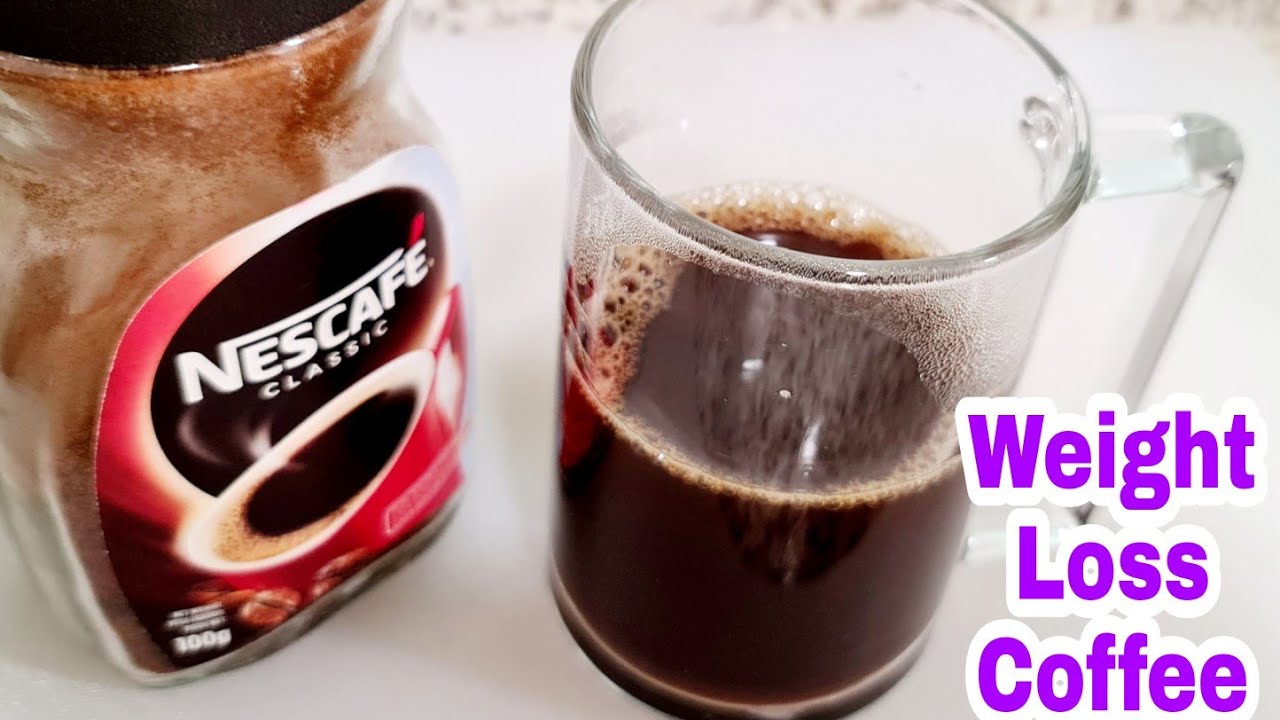
4. Does adding sugar negate the weight-loss benefits of coffee?
Yes, excessive sugar can add calories, counteracting the potential weight loss benefits of coffee. Opt for healthier sweeteners or stick to black coffee for best results.
5. Are there any side effects to be aware of with coffee consumption?
Caffeine sensitivity varies; some individuals may experience anxiety, insomnia, or digestive issues with excessive coffee intake. Monitoring consumption can help mitigate these effects.