Exercise Nutrition Research Shows Coffee Aids Fat Burning — How It Improves Results
Exercise Nutrition Research Shows Coffee Aids Fat Burning — How It Improves Results
Coffee has long been celebrated as a beloved beverage, but recent exercise nutrition research is revealing its significant benefits in fat burning and athletic performance. Many fitness enthusiasts and athletes have begun to turn to coffee not just for its ability to boost energy levels, but also for its profound impact on body composition and weight management. In fact, studies suggest that caffeine and other compounds found in coffee can enhance metabolic rates, improve workout performance, and ultimately aid in fat loss. This article delves into the latest exercise nutrition research, dissecting how coffee can aid fat burning and improve overall fitness results, offering you concrete insights that can elevate your exercise regimen. Whether you’re on a weight loss journey, looking to increase your athletic performance, or simply seeking to optimize your nutrition, understanding the role that coffee plays in these processes can be a game-changer. Throughout the following sections, we will explore the mechanisms behind coffee’s fat-burning capabilities, its impact on workout performance, timing strategies for consumption, and other practical considerations for integrating coffee into your pre-exercise nutrition.

The Science Behind Coffee and Fat Burning
Understanding Caffeine’s Role in Metabolism
Caffeine is the primary active ingredient in coffee, known for its stimulant properties that can significantly impact metabolic functions. When consumed, caffeine triggers the release of adrenaline, which is crucial for the “fight or flight” response. This release signals the body to break down fat stores, thereby releasing fatty acids into the bloodstream to be utilized as energy. Numerous studies have shown that caffeine can increase metabolic rate by 3% to 11%, depending on individual variability, which directly correlates to enhanced fat oxidation during exercise.
Moreover, caffeine’s ability to boost thermogenesis — the production of heat in the body — plays a critical role in burning calories. Research indicates that caffeine can increase energy expenditure for a few hours post-consumption, providing an additional boost in fat burning that can synergize well with exercise. Thus, integrating coffee into your pre-workout routine can amplify fat loss efforts, especially when paired with consistent exercise.
Oxidative Effects of Coffee Compounds
Beyond caffeine, coffee contains a rich profile of antioxidants, such as chlorogenic acid, which have been shown to support fat metabolism. These antioxidants help reduce oxidative stress during exercise, which can otherwise lead to fatigue and hinder performance. By protecting the body from oxidative damage, these compounds allow for more extended and more intense workout sessions, ultimately increasing the overall effectiveness of fat-burning activities.
Moreover, studies suggest that moderate coffee consumption can have positive effects on insulin sensitivity, a crucial factor in maintaining a healthy metabolism. Improved insulin sensitivity can facilitate better fat utilization during exercise, making coffee a valuable addition to your nutrition plan.
Improving Workout Performance with Coffee
Enhancing Endurance and Strength
The stimulating effects of caffeine are well-documented in sports science. Regular intake of coffee before workouts can lead to significantly improved performance, especially in endurance sports like running and cycling. Caffeine can delay fatigue, improve reaction times, and enhance overall stamina. Studies show that athletes who consume caffeine prior to exercise can sustain higher intensities for longer periods, effectively maximizing their workout results.
For strength training enthusiasts, coffee can also play an essential role. Research suggests that caffeine can increase muscle power output during high-intensity workouts, allowing individuals to lift heavier weights or perform more repetitions. Whether you’re a runner looking to shave time off your personal best or a weightlifter aiming to break through plateaus, coffee can be a valuable ally in your fitness regime.
Psychological Boost and Motivation
One often-overlooked aspect of caffeine’s influence on workouts is its psychological impact. The stimulant nature of caffeine can elevate mood and reduce perceived effort during exercise. This translates to a more enjoyable workout experience, which can enhance motivation and adherence to regular exercise. Individuals who consistently consume coffee may find themselves tackling workouts with more confidence and enthusiasm, leading to improved consistency and results over time.
Optimal Timing for Coffee Consumption
Pre-Workout Timing Strategies
To maximize the fat-burning effects of coffee, timing is critical. Research suggests consuming coffee approximately 30 to 60 minutes before exercising can provide the best results. This allows enough time for caffeine absorption and peak effectiveness during the workout. For those sensitive to caffeine, it may be beneficial to experiment with different timings to find what works best for individual tolerance levels and workout schedules.
Post-Workout Benefits of Coffee
Interestingly, coffee also holds potential benefits post-workout. Consuming coffee after exercise can aid recovery by promoting glycogen resynthesis when paired with carbohydrates. This can be particularly useful for athletes engaging in multiple training sessions throughout the day. Incorporating coffee into post-workout nutrition may also help reduce muscle soreness and improve overall recovery times, enhancing long-term performance and fat-burning efforts.
Considerations and Personalization
Individual Tolerance and Sensitivity
While coffee offers numerous benefits, it is vital to recognize that individual tolerance to caffeine varies greatly. Factors such as genetics, habitual consumption, and existing health conditions (like anxiety or heart issues) can influence how one’s body reacts to caffeine. It’s crucial to monitor how coffee impacts your personal health and performance, making necessary adjustments to optimize its benefits while minimizing potential side effects, such as jitteriness or disrupted sleep.
Types of Coffee and Preparation Methods
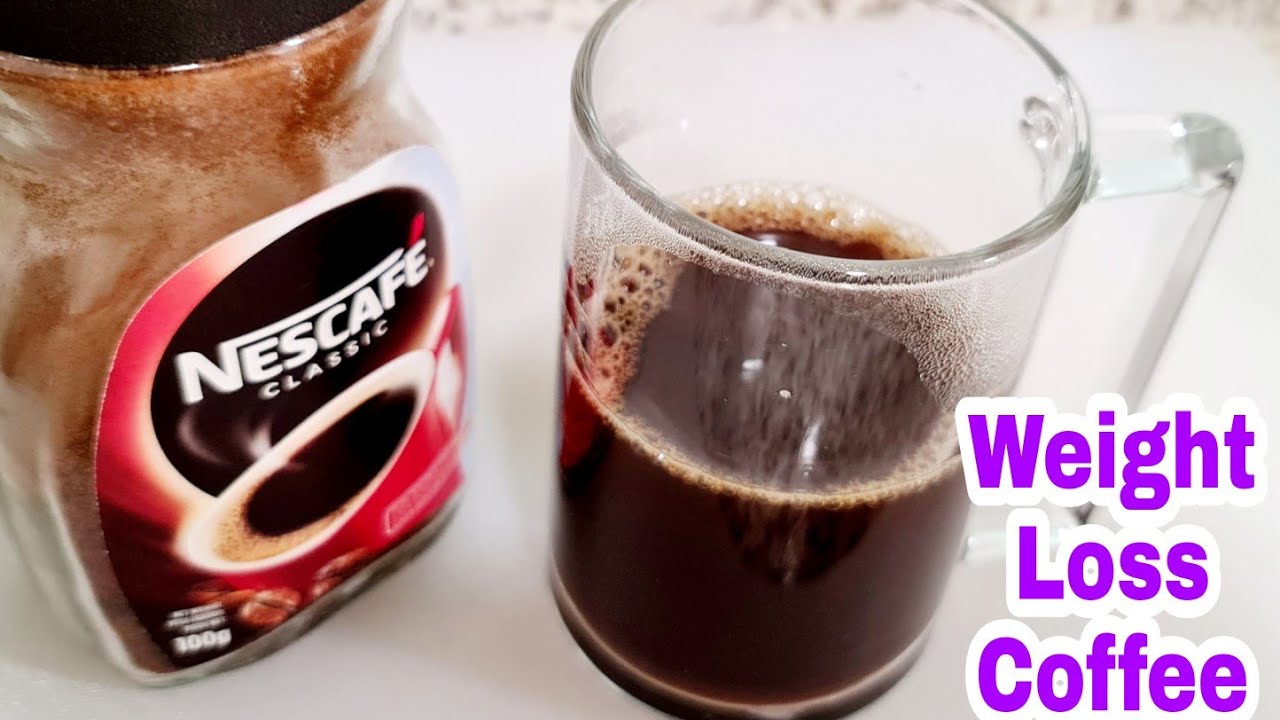
The benefits of coffee are also dependent on the type of coffee and the preparation method. While black coffee is considered the healthiest option, providing the benefits without added sugars or fats, various other options exist for those who prefer flavored drinks. Keep in mind that added calories from cream and sugar can negate some of the benefits associated with coffee consumption, particularly concerning weight management.
Choosing high-quality, organic coffee beans can also affect the nutritional profile, ensuring that you get the maximum antioxidant benefits. Additionally, preparation methods such as cold brew can yield different flavor profiles and caffeine concentrations, adding another layer of personal preference to your coffee consumption.
Summary and FAQs
In summary, coffee presents significant advantages for enhancing fat burning and improving exercise performance. With research showing its capability to boost metabolism, improve endurance, and provide a psychological edge, it’s a popular choice among athletes and fitness enthusiasts. However, individual responses to caffeine can vary, making it essential to tailor coffee intake according to personal preferences and tolerance.
Common questions surrounding coffee and exercise nutrition often include:
- How much coffee should I consume before a workout? It’s generally recommended to consume 1 to 3 mg of caffeine per kilogram of body weight approximately 30 to 60 minutes before exercising.
- Can coffee affect hydration? Moderate coffee consumption does not seem to cause dehydration, though excessive intake might increase diuresis. Pairing coffee with adequate water is advisable.
- Is coffee effective for purely fat loss, or does it aid in muscle building too? While coffee primarily promotes fat oxidation, improved workout performance from caffeine can lead to better overall results in muscle building when coupled with resistance training.
- Should I avoid coffee if I experience anxiety? If you are sensitive to caffeine or prone to anxiety, it may be wise to limit or avoid coffee, or consider decaffeinated options.
- What’s the best type of coffee for athletes? Black coffee is the most beneficial due to lower caloric content. However, individual preferences for taste should also be considered.
Ultimately, coffee can be a powerful tool in your exercise nutrition arsenal. By understanding its effects and optimizing its use, you can enhance fat burning while improving your overall workout results.