Caffeine for Losing Weight: Why Your Body Adapts After 4 Weeks
Caffeine for Losing Weight: Why Your Body Adapts After 4 Weeks
Caffeine has long been heralded as a powerful aid in weight loss, often touted for its ability to boost metabolism, increase fat oxidation, and suppress appetite. Many dieters turn to caffeinated beverages like coffee, tea, and energy drinks to enhance their weight loss efforts. However, what many people may not realize is that the body has a remarkable ability to adapt to various stimuli, including caffeine. This article explores the nuances of caffeine’s role in weight loss and why its effectiveness can dwindle after a period of consistent use—typically around four weeks.

This deep dive into caffeine’s impact on weight loss will cover how it influences metabolic processes, the hormonal changes it triggers, and the adaptation phenomenon. Understanding these concepts is vital for anyone looking to harness caffeine’s potential in their weight loss journey. The article will also provide tips on how to mitigate the adaptation effects and maintain weight loss progress. By the end, readers will gain a thorough understanding of caffeine as a weight loss ally and how to optimize its benefits for lasting results.
Understanding the Role of Caffeine in Weight Loss
Caffeine is a central nervous system stimulant that temporarily wards off drowsiness and restores alertness. It significantly impacts metabolic processes and can enhance the body’s ability to burn fat. But how exactly does caffeine contribute to weight loss?
Metabolism Boosting Capabilities
One of the primary reasons caffeine is linked to weight loss is its ability to elevate the metabolic rate. When consumed, caffeine can increase energy expenditure by stimulating thermogenesis, a process where the body generates heat and energy from digesting food. Studies have shown that caffeine can increase metabolic rate by 3-11%, depending on individual factors such as body composition and overall health.
Enhanced Fat Oxidation
Caffeine enhances fat oxidation, the process by which fatty acids are broken down for energy. With regular caffeine consumption, fat becomes a more significant fuel source during exercise. This is primarily due to caffeine’s role in promoting adrenaline production, which has been shown to mobilize fat stores from the body and encourage fat burning.
Appetite Suppression
Caffeine also plays a role in controlling hunger. By influencing hormones such as Ghrelin, which signals hunger to the brain, and Leptin, which signals fullness, caffeine can help reduce appetite. Many individuals report feeling less hungry when consuming caffeinated products, contributing to lower calorie intake.
Why the Body Adapts to Caffeine After 4 Weeks
While caffeine can help jump-start weight loss efforts, its effectiveness may decrease after approximately four weeks. This adaptive response can be attributed to several physiological mechanisms.
Physiological Tolerance Development
One of the most significant reasons for caffeine’s diminishing returns is the development of tolerance. The more frequently one consumes caffeine, the more the body becomes accustomed to its effects. This is particularly evident in the central nervous system, where repeated exposure can result in reduced responsiveness to caffeine’s stimulant properties.
Changes in Hormonal Regulation
As the body adapts to regular caffeine intake, hormonal responses may also change. For example, continuous caffeine consumption can alter cortisol levels—an important stress hormone that also plays a role in metabolism and fat storage. An imbalance of cortisol can hinder weight loss efforts and may even promote fat accumulation in some cases.
Implications for Weight Loss Strategies
Due to the body’s adaptive capacity, relying solely on caffeine for weight loss may not yield long-term results. Understanding these adaptations can help individuals modify their strategies. This may include cycling caffeine intake by taking regular breaks or reducing overall caffeine consumption to reset the body’s sensitivity to its effects. It’s essential to create a balanced approach to weight loss that incorporates varied habits and healthy dietary choices.
Strategies to Maintain Caffeine’s Effectiveness
<pTo prevent the decrease in caffeine's effectiveness, several strategies can be applied to help individuals maximize its weight loss benefits while managing potential adaptations.
Cycling Caffeine Intake
Cycling caffeine involves alternating periods of higher and lower intake. For instance, individuals might consume caffeine for three weeks, followed by a one-week break. This strategy can help refresh the body’s sensitivity to caffeine, achieving optimal results upon reintroduction.
Diverse Sources of Stimulants
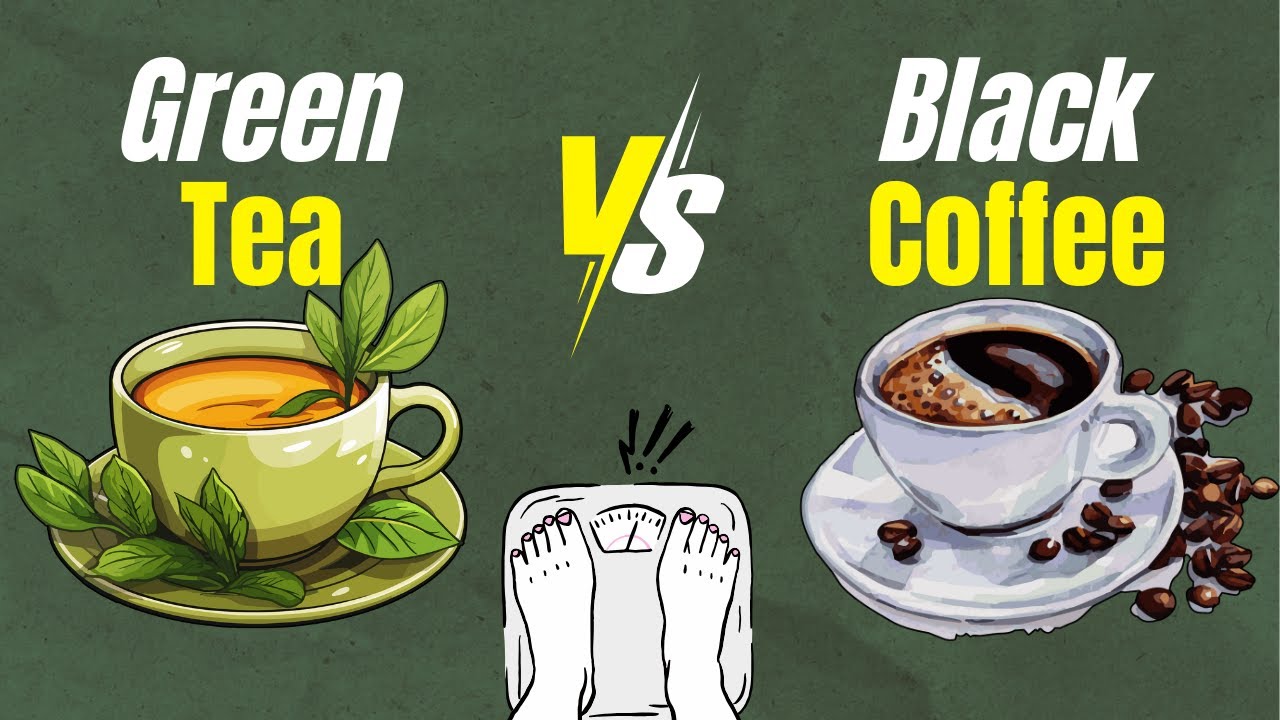
Instead of relying solely on caffeine, consider including a variety of natural stimulants that replicate its effects, such as green tea or guarana. These alternatives can provide metabolic benefits without leading to the quick tolerance buildup associated with caffeine alone.
Balancing Diet and Exercise
To complement caffeine’s metabolic effects, investing in a balanced diet rich in whole foods and engaging in regular exercise is vital. Incorporating strength training along with cardiovascular workouts can enhance fat loss and further improve metabolic health.
The Bottom Line: Caffeine’s Role in Sustainable Weight Loss
While caffeine can be a useful tool in weight loss, understanding how the body adapts to it is crucial for its effective use. By cycling caffeine intake and maintaining a balanced lifestyle, individuals can enjoy its benefits without succumbing to the pitfalls of adaptation. Integrating clothing habits, monitoring hormones, and understanding personal responses to caffeine can optimize both fat burning and overall health.
Reevaluating Your Weight Loss Plan
As you embark on your weight loss journey with caffeine, it’s essential to regularly reevaluate your approach. Monitor your response to caffeine and adjust your strategies as necessary to ensure continued progress towards your goals. Always aim for a holistic approach for lasting results!
FAQs About Caffeine and Weight Loss
Here, we will address common questions related to caffeine and its role in weight loss, specifically considering the adaptation that occurs after several weeks.
How does caffeine specifically help with weight loss?
Caffeine aids weight loss by increasing metabolism, enhancing fat oxidation, and suppressing appetite. These factors contribute to an overall calorie deficit, which is essential for weight loss.
Is it advisable to continue consuming caffeine for weight loss indefinitely?
It’s generally not advisable to consume caffeine indefinitely without breaks, as the body will adapt, leading to diminished effects. Cycling caffeine intake can help maintain its effectiveness.
How long does it take for the body to adapt to caffeine?
The body typically starts showing signs of adaptation to caffeine after about four weeks of consistent use, resulting in a decrease in its fat-burning and appetite-suppressing effects.
Are there any negative side effects associated with long-term caffeine use?
Long-term caffeine use may present side effects such as increased heart rate, anxiety, digestive issues, and disruption of sleep patterns. Moderation is key to minimizing these potential negative effects.
What alternatives can I consider if caffeine stops working?
If caffeine seems less effective, consider natural alternatives like green tea or adaptogens. Additionally, focus on lifestyle changes, such as dietary adjustments, exercise variations, and hydration to continue supporting your weight loss journey.