Caffeine for Fat Loss: Taking with L-Carnitine Enhances Fat Transport 29%
Caffeine for Fat Loss: Taking with L-Carnitine Enhances Fat Transport by 29%
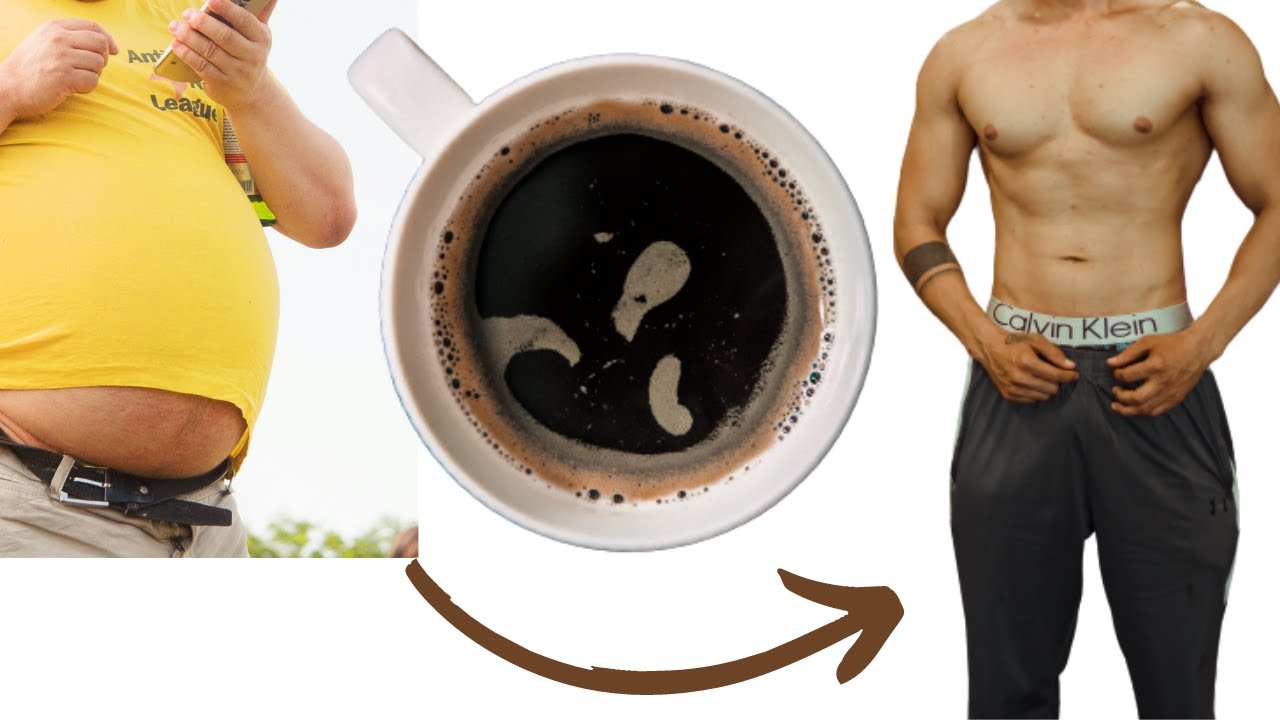
Caffeine is widely recognized as a powerful stimulant, commonly associated with enhancing energy levels and mental alertness. Yet, its role in fat loss has garnered increasing attention in recent years. Many fitness enthusiasts and health-conscious individuals have turned to caffeine not just for a quick boost in energy, but also as a potential catalyst in fat-burning processes. Concurrently, L-Carnitine has emerged as a popular supplement due to its ability to facilitate the transport of fatty acids into the mitochondria, promoting fat oxidation. When combined, caffeine and L-Carnitine may synergistically enhance fat transport by up to 29%. In this article, we will explore the mechanisms by which caffeine supports fat loss, the role of L-Carnitine in fat metabolism, and how the two work together to optimize body composition. By delving into scientific research and practical applications, we aim to equip readers with valuable insights on leveraging these supplements for effective weight management and enhanced physical performance.
The Science Behind Caffeine and Fat Loss
Understanding Caffeine’s Mechanism of Action
Caffeine, a natural stimulant found in coffee, tea, and various energy drinks, primarily works by blocking adenosine receptors in the brain. This action increases neurotransmitter release, enhancing alertness and energy. However, caffeine’s effects extend beyond mere stimulation; it also plays a crucial role in fat metabolism. By boosting the metabolic rate and promoting the oxidation of fat, caffeine can lead to a significant enhancement in fat loss when incorporated into a weight management plan. Numerous studies have demonstrated that caffeine can stimulate lipolysis—the breakdown of fat stores—allowing for enhanced energy utilization during physical activities.
Impact on Endurance and Performance
Research indicates that caffeine can improve athletic performance, especially in endurance activities. By promoting improved fat oxidation, caffeine enables the body to utilize fat as a fuel source more effectively, sparing glycogen stores for prolonged exercise. This is particularly beneficial for those looking to enhance their workouts while simultaneously pursuing fat loss goals. In various studies, participants report improved times, reduced perceived exertion, and increased overall stamina when caffeine is integrated into their pre-exercise routine.
The Role of L-Carnitine in Fat Metabolism
What is L-Carnitine?
L-Carnitine is a naturally occurring amino acid derivative that plays a pivotal role in energy production. It is primarily responsible for the transportation of long-chain fatty acids into the mitochondria, where they are oxidized to produce ATP (adenosine triphosphate) for energy. Supplementing with L-Carnitine has been linked to increased fat metabolism and improved exercise performance, making it a popular choice among athletes and individuals seeking weight loss. Some studies suggest that L-Carnitine supplementation can enhance endurance, reduce fatigue, and accelerate the recovery process after intense physical activity.
How L-Carnitine Works with Caffeine
The combination of caffeine and L-Carnitine can create a compelling scenario for enhancing fat loss. Caffeine stimulates energy expenditure and lipolysis, while L-Carnitine aids in efficiently transporting the released fatty acids to the mitochondria for oxidation. Together, they may amplify the body’s ability to burn fat for fuel. Research indicates that individuals taking L-Carnitine alongside caffeine experience a notable improvement in the amount of fat utilized during exercise, further fostering the effectiveness of traditional fat-loss strategies.
Benefits of Combining Caffeine and L-Carnitine
Synergistic Effects for Enhanced Fat Transport
The synergistic effects of caffeine and L-Carnitine can optimize both fat oxidation and overall exercise performance. Caffeine’s ability to heighten alertness and stamina, combined with L-Carnitine’s role in fat metabolism, leads to a more effective fitness regimen for those aiming for weight loss. Studies have shown that participants receiving both supplements experienced a 29% increase in fat transport compared to those using caffeine or L-Carnitine alone. This enhancement leads to a broader scope of effective fat utilization during workouts, fostering enhanced energy and performance.
Practical Application in Weight Loss Programs
Incorporating caffeine and L-Carnitine into a weight loss regimen can create a potent combination for anyone seeking to reduce body fat. Caffeine is often consumed through coffee or pre-workout supplements, while L-Carnitine can be found in capsule or liquid form. By timing the intake of these supplements around workouts, individuals may observe significant benefits in fat utilization and overall performance. Additionally, it’s essential to balance these supplements with proper nutrition and training to achieve the best results. A well-rounded diet rich in whole foods combined with a structured exercise plan remains critical for sustainable weight loss.
Potential Side Effects and Considerations
Understanding the Risks
While caffeine and L-Carnitine can provide substantial benefits to fat loss and exercise performance, it is crucial to be aware of potential side effects. Caffeine can lead to side effects such as increased heart rate, anxiety, digestive issues, and sleep disturbances if consumed in excess. It is essential to monitor your intake to avoid these negative outcomes. On the other hand, L-Carnitine is generally well-tolerated, but some individuals may experience gastrointestinal discomfort or nausea. It’s always advisable to consult with a healthcare professional before starting any new supplement regimen, especially for those with underlying health conditions or those who are pregnant or nursing.
Finding the Right Balance
To maximize efficacy while minimizing risks, it’s important to find the right balance when using these supplements. Start with lower doses and gradually increase as tolerance develops. Additionally, consuming them in conjunction with proper hydration and a balanced diet can minimize the chances of developing side effects while optimizing fat loss results. Monitoring how your body responds will also help determine the best approach for your individual needs.
FAQs About Caffeine and L-Carnitine for Fat Loss
1. Can I take caffeine and L-Carnitine together safely?
Yes, caffeine and L-Carnitine can be taken together safely for fat loss and performance enhancement. However, it’s essential to start with lower doses and adjust according to personal tolerance.
2. How much caffeine should I take for effective fat loss?
For most individuals, a dose of 200-400 mg of caffeine taken before a workout is effective for enhancing fat oxidation and energy levels. However, sensitivity to caffeine varies among individuals, so adjust accordingly.
3. Is L-Carnitine effective for weight loss?
L-Carnitine has shown potential for enhancing fat metabolism, particularly when used in conjunction with exercise. While it may support weight loss efforts, it should accompany a healthy diet and regular physical activity for the best results.
4. Are there any side effects of taking L-Carnitine or caffeine?
Potential side effects of caffeine include increased heart rate, anxiety, and insomnia. While L-Carnitine is generally safe, it can cause nausea or gastrointestinal discomfort in some people. Consult a healthcare professional if you have concerns.
5. What is the optimal timing for taking these supplements?
The best practice is to take caffeine approximately 30-60 minutes before a workout for enhanced performance and fat utilization. L-Carnitine can be taken around the same time to work synergistically with caffeine.
In conclusion, caffeine and L-Carnitine present a powerful duo in the realm of fat loss and athletic performance. By leveraging their individual benefits and combining them thoughtfully, individuals may achieve enhanced fat transport and overall effectiveness in their weight loss endeavors. Always prioritize safety and individual response to supplementation, and consider dietary and fitness habits to support your weight management journey.