Coffee and Weight Loss: Separating Fact from Fiction
Coffee and Weight Loss: Separating Fact from Fiction
Coffee, a beverage enjoyed by millions around the globe, has long been debated in the context of weight loss. Many claim that coffee can aid in shedding pounds, while others caution against its potential pitfalls. With the rise of health consciousness and obesity awareness, understanding the relationship between coffee and weight management is more critical than ever. In this comprehensive guide, we will delve into the facts, myths, and science behind coffee’s impact on weight loss. By examining various studies and expert opinions, we aim to provide you with a well-rounded perspective on whether coffee can indeed be a viable component in a weight loss strategy. This article is designed to answer your queries and provide clarity on how coffee might fit into your weight management plan. Prepare to uncover the truth as we separate fact from fiction regarding coffee and weight loss.
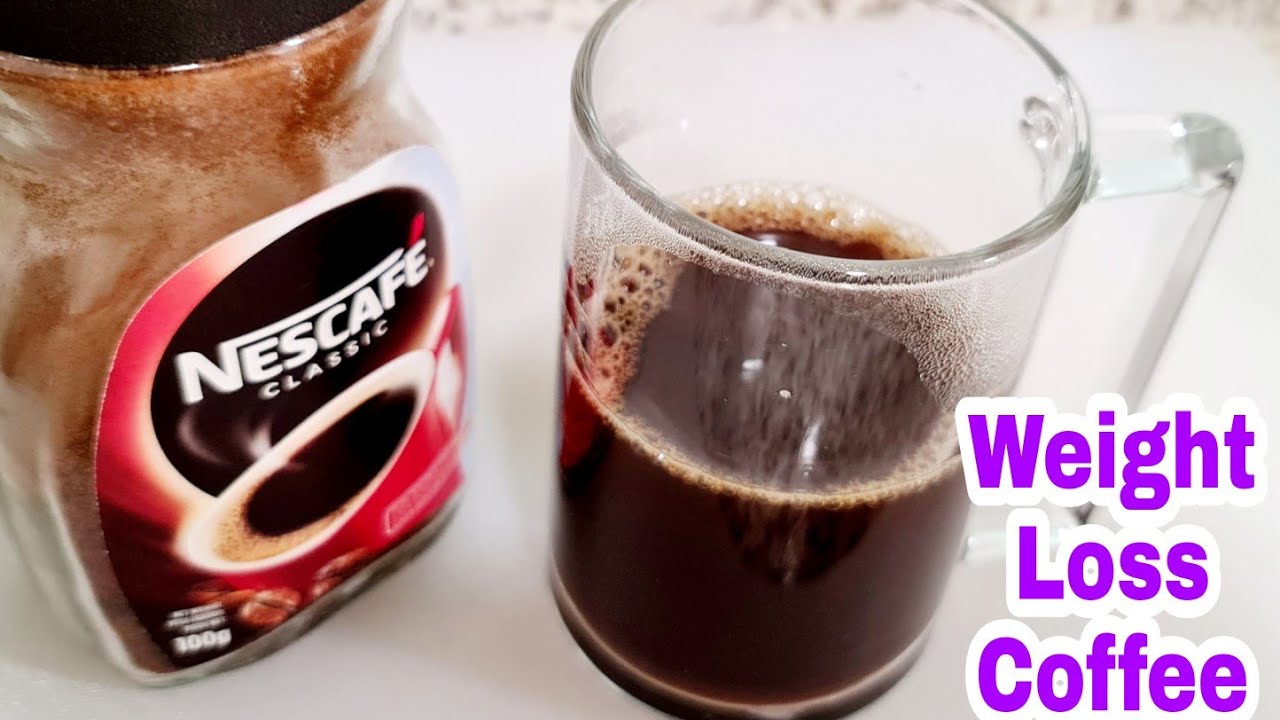
The Science Behind Coffee and Metabolism
Coffee is often associated with increased metabolism, which can play a role in weight management. But how does this actually work? The key lies in the major component of coffee: caffeine.
Caffeine and its Metabolic Effects
Caffeine is a natural stimulant that can temporarily boost energy levels and increase the rate of calorie burning. Research indicates that caffeine consumption can enhance thermogenesis—the process of heat production in organisms, which is linked to energy expenditure. A study published in the American Journal of Clinical Nutrition noted that moderate caffeine intake may increase metabolic rate by 3-11%, contributing to weight loss efforts.
Antioxidants in Coffee
Besides caffeine, coffee also contains numerous antioxidants that can support metabolic health. Antioxidants combat oxidative stress and inflammation, both of which are linked to obesity and metabolic disorders. These benefits may aid in weight loss by promoting overall bodily health, improving insulin sensitivity, and reducing fat accumulation.
Myths About Coffee and Weight Loss
With so much information circulating about coffee and weight loss, several myths have emerged that require clarification.
Myth #1: Coffee Replaces Exercise
One of the most common misconceptions is that drinking coffee alone can replace the need for physical activity. While caffeine can enhance performance and endurance during workouts, it is not a substitute for regular exercise. Effective weight loss typically requires a combination of dietary control, physical activity, and lifestyle changes.
Myth #2: More Coffee Equals More Weight Loss
Another prevalent myth is the idea that consuming excessive amounts of coffee will lead to more significant weight loss. This can be misleading. While moderate coffee consumption may aid weight loss through increased metabolism, excessive caffeine intake can lead to negative health effects, such as increased heart rate and anxiety. Moreover, adding sugar and creams can add unnecessary calories, negating any potential benefits.
How Coffee Fits into a Healthy Weight Loss Plan
Understanding how to incorporate coffee wisely within a weight loss plan is essential for achieving effective and sustainable results.
Timing Your Coffee Consumption
When you consume coffee can significantly affect its benefits. Many studies suggest timing your coffee intake around your workouts can provide enhancements to performance and recovery. A cup before exercise can help boost stamina and focus, leading to a more effective workout session, which is crucial in a weight loss journey.
Black Coffee Versus Cream and Sugar
For weight loss, choosing black coffee is advisable. Adding cream, sugar, or flavored syrups can add significant calories, thwarting weight loss efforts. Black coffee is low in calories, making it a more suitable option for those looking to control their calorie intake while still enjoying the beverage.
Potential Side Effects of Overconsumption
While coffee can provide many benefits in moderation, overconsumption comes with risks.
Negative Health Effects
Excessive caffeine can lead to side effects such as sleep disturbances, jitters, digestive issues, and increased heart rate. It may also influence cortisol levels, a hormone related to stress, which can lead to weight gain if elevated over prolonged periods. This emphasizes the importance of moderation in coffee consumption.

Recommended Daily Intake
The general guideline suggests 3-4 cups per day can be beneficial for most adults, as long as it fits within individual tolerance levels. It’s essential to monitor your body’s response and adjust accordingly, as individual caffeine sensitivity varies significantly.
Summary and FAQs about Coffee and Weight Loss
As we conclude, it’s essential to clarify some common questions and reinforce the key points regarding coffee and weight loss:
Can coffee help in weight loss? Yes, coffee can aid weight loss by boosting metabolism and enhancing exercise performance, but it should not be relied upon as the sole method for losing weight.
Is there an ideal time to drink coffee? Timing coffee consumption around workouts may enhance its benefits. Drinking coffee before exercising could improve your performance and stamina.
Does adding cream or sugar negate the benefits? Yes, adding high-calorie ingredients like cream and sugar can undermine any weight loss efforts, so it’s advisable to consume coffee black or with minimal additives.
How much coffee is considered safe? Generally, 3-4 cups per day is safe for most adults, but personal tolerance to caffeine varies. Pay attention to how your body reacts.
Are there any negative effects of too much coffee? Yes, consuming too much coffee can lead to anxiety, sleep disturbances, and other health issues. It is crucial to consume coffee in moderation.
In summary, coffee can be a useful ally in your weight loss journey if consumed wisely and in moderation. Its metabolism-boosting properties can support your fitness goals, but it’s vital to pair coffee consumption with a balanced diet and regular exercise for optimal results.