Can Coffee Actually Help You Lose Weight?
Can Coffee Actually Help You Lose Weight?
Coffee is a beloved beverage enjoyed by millions across the globe. Many people rely on their morning cup of joe to kickstart their day, but did you know that coffee may also play a role in weight loss? As individuals increasingly seek ways to shed extra pounds, the question arises: “Can coffee actually help you lose weight?” This article will delve into the association between coffee consumption and weight loss by examining its active ingredients, such as caffeine and antioxidants, and discussing how they may boost metabolism, suppress appetite, and enhance fat burning. We will also explore the potential impacts of different types of coffee and their effects on our overall health. With an ever-growing body of research supporting coffee’s benefits, it becomes essential to look closely at how this beverage can fit into a healthy weight loss regimen. Whether you are a lifelong coffee drinker or someone considering incorporating it into your diet, understanding the science behind coffee’s role in weight management will provide valuable insights to help you make informed decisions. Let’s explore the complex relationship between coffee and weight loss in this comprehensive article.
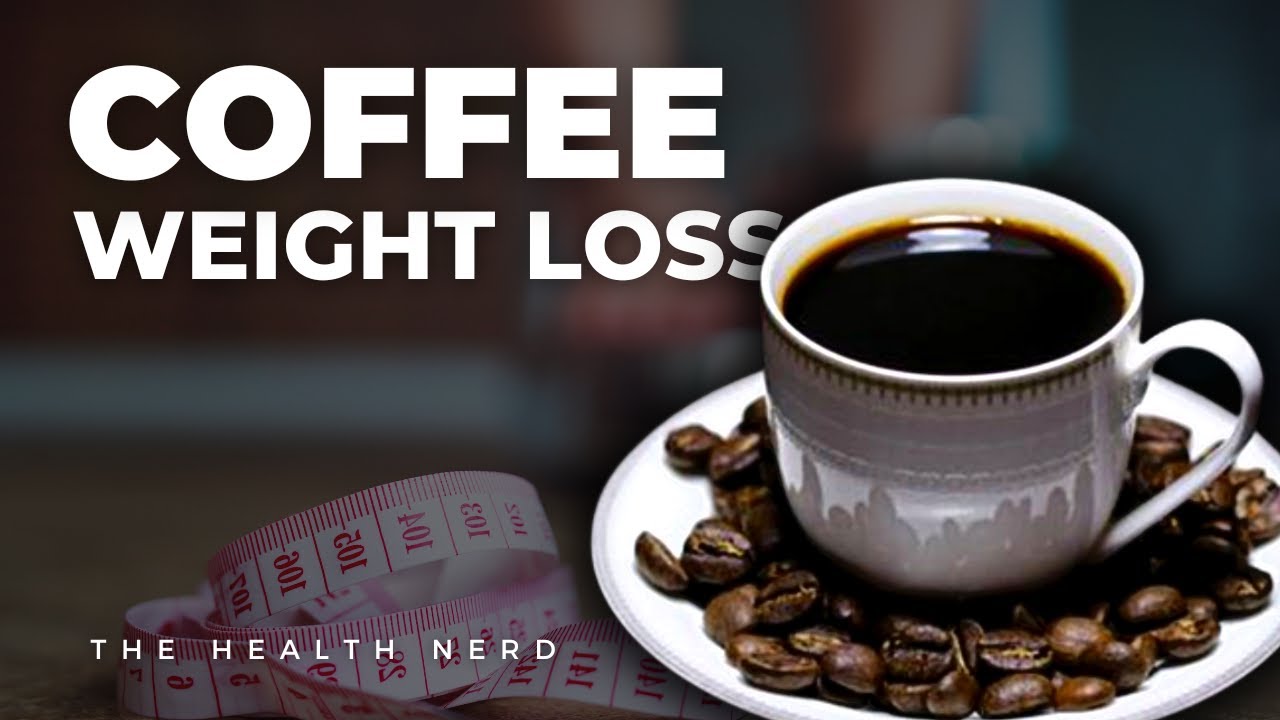
Understanding the Role of Caffeine in Weight Loss
Caffeine is one of the most widely consumed psychoactive substances globally, primarily found in coffee. To understand how coffee can assist in weight loss, it’s crucial to grasp the effects of caffeine on our bodies.
Caffeine and Metabolism Boost
Research suggests that caffeine can temporarily increase metabolic rate, which can aid in burning calories more efficiently. A higher metabolism means your body consumes energy at a faster rate, even at rest. For those looking to lose weight, this can be a valuable benefit, as it contributes to creating a calorie deficit essential for weight loss.
Appetite Suppression Effects
Some studies indicate that caffeine may help suppress appetite in the short term. It’s thought to block adenosine, a neurotransmitter that promotes sleep and relaxation, resulting in increased energy levels and reduced feelings of hunger. However, the appetite-suppressing effects may vary from person to person and depend on individual factors such as age, gender, and caffeine tolerance.
Fat Oxidation and Exercise Performance
Another essential aspect of weight loss is exercise, and caffeine has been shown to enhance physical performance. Consuming coffee before working out may improve endurance, allowing individuals to exercise longer and burn more calories. Additionally, caffeine promotes fat oxidation, meaning your body is more efficient in utilizing fat as a source of energy during workouts. This dynamic interplay between caffeine, exercise, and fat burning can support weight loss efforts when incorporated into a balanced lifestyle.
The Impact of Coffee Types on Weight Loss
While black coffee is often touted for its weight loss properties, other coffee types also play a role. Let’s discuss various types of coffee and how they can contribute to weight management.
Black Coffee: The Calorie-Free Option
Black coffee contains minimal calories and can be an effective drink for those looking to lose weight. Drinking black coffee can enhance the fat-burning process without adding excess sugar or cream that often accompanies flavored or specialty coffee drinks. This makes it an ideal choice for those aiming to keep caloric intake low while enjoying their favorite beverage.
Specialty Coffees: The Hidden Costs
Many popular coffee drinks, such as lattes and frappuccinos, are laden with sugars and fats, which can work against weight loss goals. These calorie-dense beverages can contribute to weight gain if consumed excessively. When considering coffee as part of a weight loss strategy, it’s essential to choose options that don’t sabotage your efforts with hidden calories.
Alternatives: Low-Calorie Sweeteners and Nut Milks
For coffee lovers who enjoy their drinks sweetened or creamed, low-calorie sweeteners and nut milks can provide satisfying alternatives without significantly impacting caloric intake. This allows individuals to enjoy flavored coffee without the associated weight gain risks typically linked to high-calorie creamers and sweeteners.
The Science Behind Coffee and Weight Loss: What Studies Say
Numerous studies have investigated the relationship between coffee consumption and weight loss, with varying results. Examining existing research helps us better understand coffee’s potential effects on weight management.
Research Supporting Coffee’s Role in Weight Loss
A study published in the “American Journal of Clinical Nutrition” indicated that caffeine intake could help with weight maintenance in a population of healthy individuals. Another review in the “Journal of Obesity” found that coffee consumption was linked to lower weight gain and a reduced risk of obesity. While these findings are promising, it is important to approach them with caution, considering the nuances in individual responses to caffeine.
Potential Negative Effects of Excessive Coffee Consumption
Despite the numerous benefits, excessive coffee consumption can lead to negative health impacts. Overconsumption can result in increased anxiety, sleep disturbances, and digestive issues. Moderation is key, typically suggesting a daily intake of 3 to 4 cups of coffee for most adults. It’s crucial to balance intake to harness the benefits without succumbing to the adverse effects.
Consulting Healthcare Professionals
Before making significant changes to your diet or incorporating coffee for weight loss, it’s advisable to consult healthcare professionals, especially for individuals with pre-existing conditions. Personalized advice can help determine the best approach to leverage coffee’s potential benefits while ensuring safety and overall health are prioritized.
Practical Tips for Incorporating Coffee into Your Weight Loss Journey
Including coffee as part of a weight loss plan can be effective if done mindfully. Here are some practical tips to help you integrate coffee into your routine.
Timing Your Coffee Consumption
Timing can influence the effectiveness of coffee for weight loss. Consuming coffee before workouts may enhance performance and help maximize fat-burning potential. Additionally, avoiding caffeine later in the day can improve sleep quality, aiding recovery and metabolic health.
Choosing Quality Over Quantity
Opt for high-quality coffee beans to maximize benefits. Organic options may contain fewer pesticides and chemicals, making them a healthier choice. Invest in good brewing equipment to extract the maximum flavor and potential benefits from your coffee.
Pairing Coffee with Healthy Habits
Integrating coffee into a holistic weight loss strategy involves pairing it with healthy eating habits and regular physical activity. Make it a complement to a balanced diet rich in fruits, vegetables, lean proteins, and whole grains. A diversified approach fosters sustainable weight loss over time.
Summary and Frequently Asked Questions
In summary, coffee can play a supportive role in weight loss efforts due to its caffeine content, which may enhance metabolism, suppress appetite, and improve exercise performance. However, moderation is vital, as excessive consumption can lead to adverse effects. The type of coffee also matters; black coffee is typically the best option for weight management, while specialty drinks may hinder dietary goals.
For those interested in the weight loss potential of coffee, here are some frequently asked questions:
1. How much coffee should I drink for weight loss?
Moderate consumption is generally recommended, usually around 3 to 4 cups per day for most adults. Individual tolerance may vary, so it’s essential to listen to your body.
2. Can I add sugar or cream to my coffee?
While you can add sugar or cream, be mindful of the calories they contribute. Opting for low-calorie sweeteners or nut milks can be healthier alternatives.
3. Is decaf coffee effective for weight loss?
Decaf coffee contains some beneficial compounds, although it may not provide the same metabolic boost as regular coffee. However, it can still be incorporated into a healthy lifestyle.
4. Should I consult my doctor before drinking coffee for weight loss?
If you have any pre-existing health conditions or concerns about caffeine, consulting a healthcare professional is advisable before making changes to your coffee consumption.
In conclusion, while coffee can be a valuable tool in your weight loss journey, it should not replace healthy eating and regular exercise. By taking a well-rounded approach, you can enjoy the benefits of coffee while effectively working towards your weight loss goals.